A productive sourcing trip to Hangzhou starts with a product decision. A boutique choosing next season's womenswear, a retailer testing children's clothing and a brand developing its own jackets need different suppliers, samples and conversations. The useful question is not how many markets you can visit. It is which meetings will help you place a better order.
This guide draws on Vera's work with Tiger buyers in Hangzhou and nearby manufacturing areas. Several examples come from Russian retail clients; the purchasing questions apply more widely. Tiger also has extensive sourcing and shipping experience with European and American buyers, including smaller businesses and buyers developing custom products. You can work with us online, visit in person, or combine remote preparation with a focused trip.
Choose a buying model before choosing a city
First decide whether you need available stock, a repeatable existing design or production to your own specification. Available stock helps you build an assortment quickly, but it may not return next season. A supplier's existing design can offer a starting point for repeat orders, provided its material and production arrangements support them. Custom production gives you more decisions to make about fit, construction, quantities and approval.
A small order can belong to any of these models. Buying a modest quantity does not automatically mean buying leftover stock, and ordering under your own label does not automatically require a completely new design. Tell us what must be original and what can use an established product. Our China sourcing service starts with those distinctions so that supplier comparisons address the same job.
For example, a shop may need several coordinated outfits with limited quantities per style. An online seller may prefer fewer designs and reliable replenishment. A schoolwear buyer may need an exact size breakdown by an event date. Treat these as separate briefs even when all three involve clothing.
A product-led guide to Hangzhou and nearby areas
Hangzhou can be a base for planning several specialist visits. It does not make every destination a convenient stop on the same day. The table below is a starting shortlist drawn from Tiger's working experience, not a promise that every factory in a place produces the same goods. Confirm the actual supplier address, product capability and appointment before fixing travel arrangements.
| Direction | Possible purchasing focus | Question to settle first |
|---|---|---|
| Hangzhou | Womenswear and seasonal assortments | Does the supplier's design direction fit your store? |
| Zhili, Huzhou | Children's clothing and custom groupwear | Do you need new styles, repeat stock or exact quantities? |
| Pinghu | Down jackets and other outerwear | Are you booking a collection, customising a product or buying stock? |
| Keqiao | Fabrics and print development | Which composition, finish, colour and repeat-order requirements matter? |
| Puyuan and Haining | Knitwear; selected leather and home-textile enquiries | Which precise product and manufacturing process are you seeking? |
| Yiwu | General merchandise and order consolidation | How will different suppliers' orders be identified and collected? |
| Yongkang | Hardware and selected custom-component enquiries | Can the proposed factory meet your drawing, material and process requirements? |
| Quzhou/Dongyang, Cixi, Yuyao | Colour cosmetics, small appliances and cosmetic packaging respectively | Which product version and components should suppliers quote? |
The regional names narrow the search; they do not replace supplier assessment. A hardware manufacturer is not necessarily a precision-machining specialist, and a cosmetic bottle supplier may not produce the pump. Use our industry overview to connect a product category with the questions its suppliers need to answer.
What Hangzhou womenswear buyers can learn from established shops
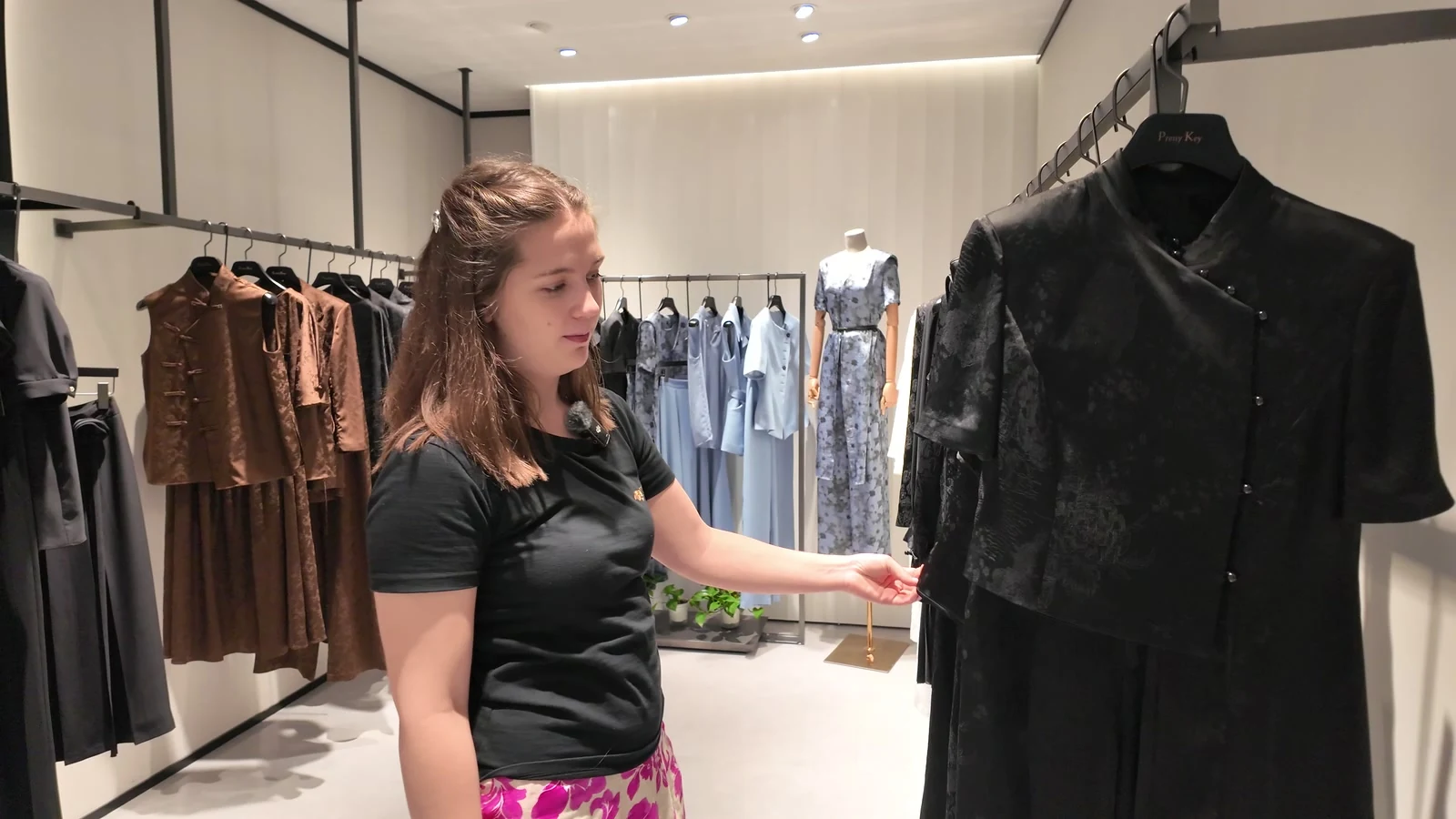
Vera has observed a recurring approach among successful Russian womenswear customers: they maintain relationships with three to five substantial suppliers whose styles work together. These suppliers keep introducing designs, while the buyer maintains a recognisable direction in their own shop. The customer is choosing a collection, not simply collecting unrelated items that looked attractive on separate market visits.
Some buyers add a few striking pieces from more expensive suppliers for their window display. Those pieces serve a different purpose from everyday sellers. They help present the shop's style, even if their sales volume is smaller. This is an observation from particular customers, not a formula for store growth or a promise that another retailer will achieve the same result.
For your own shortlist, compare three things: the styles you would buy now, the way the supplier develops the next collection, and the practicality of ordering again. Ask what happens when your strongest colour sells out. A supplier with a convincing first display may still be unsuitable if your business depends on repeating an identical item.
Zhili: separate assortment buying from repeat production
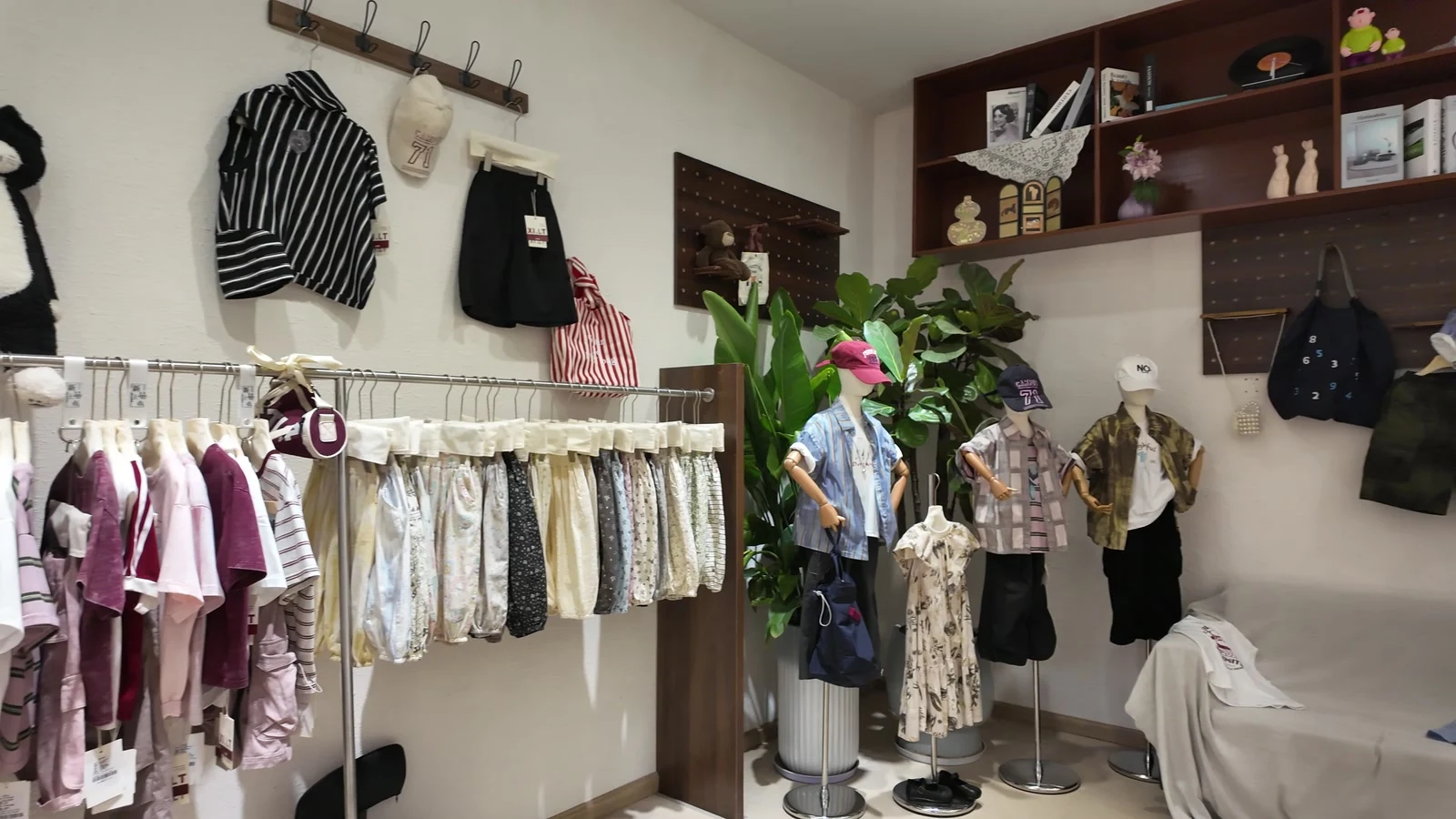
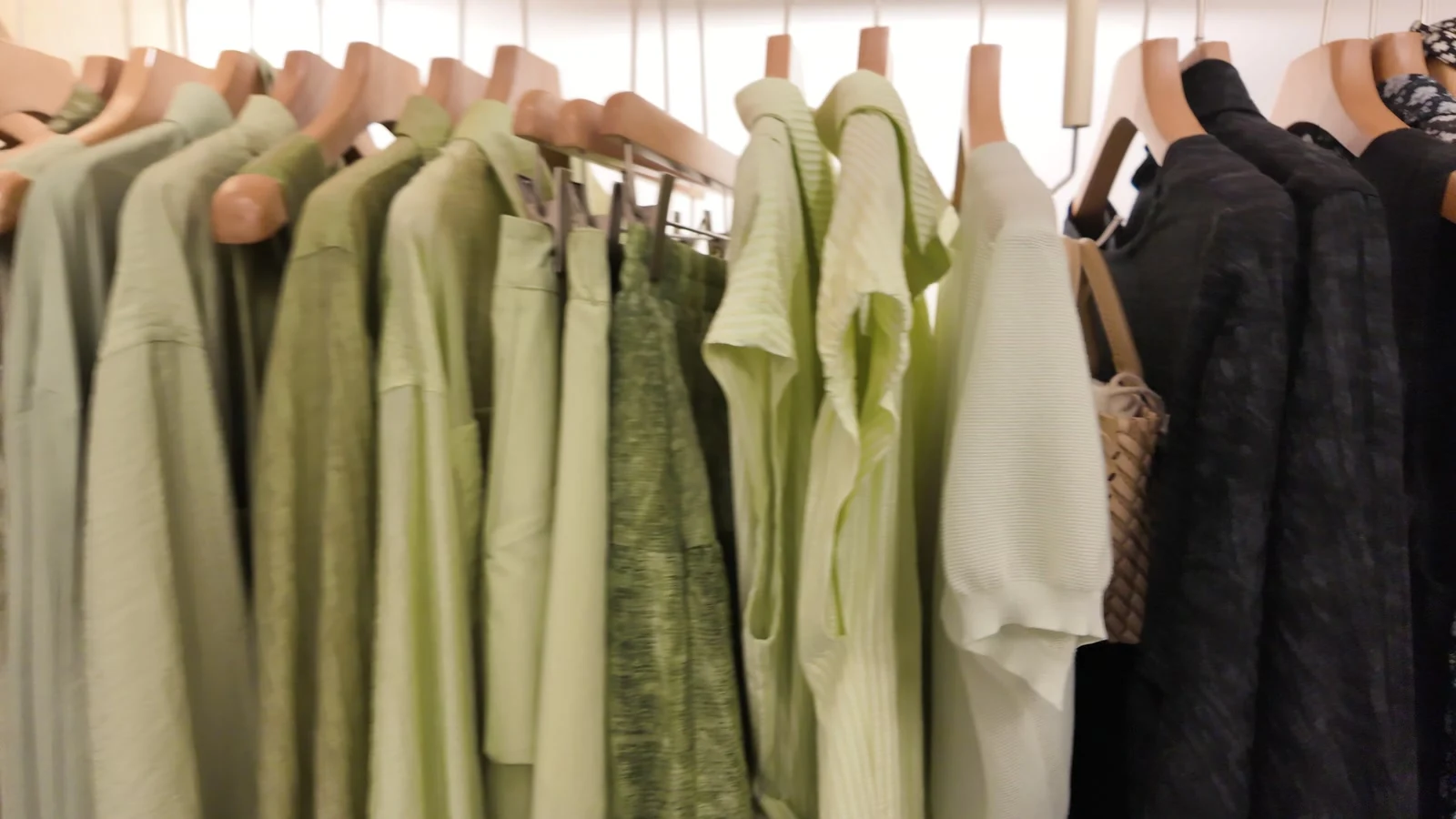
Tiger's children's clothing experience includes both retailers selecting seasonal styles and customers ordering group outfits. These require different supplier relationships. A retailer can change its assortment each season. An online seller advertising one continuing product needs the next shipment to match the original fit, fabric and finish.
In one real trial-order case, a Russian customer wanted a single size run of a checked shirt with a sparkling finish. The shop initially declined. Tiger's children's clothing manager contacted the supplier, which recognised the existing business relationship and agreed to the smaller order. The useful lesson is that an established purchasing relationship can change a particular conversation about quantities.
Before placing your own trial order, ask exactly what a size run contains and whether colours can be mixed. Also ask what happens after the trial succeeds. Availability today and the ability to replenish next month are separate questions. For custom groupwear, confirm the required quantity and material allowance before production, rather than relying on an approximate fabric-roll calculation.
Pinghu: decide between collection orders and available stock
Vera's experience with partner suppliers includes outerwear ordering events around May and June. Buyers can compare designs, see garments worn and discuss the coming season. The dates are a record of those supplier relationships, not a fixed calendar for every business in Pinghu. Arrange your own appointments around confirmed supplier schedules.
Stock purchases after the Chinese New Year involve different decisions. An attractive price does not tell you whether the size mix suits your customers, how many pieces are saleable or whether stock will still be available when you approve it. A first-time boutique buyer should examine those questions as carefully as an experienced wholesaler examines the unit price.
A colour problem from a Tiger-managed jacket order also shows why follow-up matters. A customer ordered black jackets; a mid-order check identified dark coffee instead. Tiger coordinated with the factory and the order was delivered on schedule. For your own order, agree how a discrepancy should be escalated, who approves the solution and when the next check takes place. Identifying a difference is useful only when it leads to a clear decision.
Compare Hangzhou and Guangzhou using the same brief
Neither city is automatically the best choice for every buyer. Hangzhou can be useful for the clothing and nearby specialist enquiries described here. Guangzhou provides another starting point for categories including bags, denim, underwear, footwear and small appliances in surrounding manufacturing areas. The right comparison begins with the item you intend to buy.
Send both sets of suppliers the same specification, size or model breakdown, quantity and destination requirements. Separate the product price from packaging, domestic collection, inspection scope and international delivery. A lower headline price can represent a different fabric, a smaller set of components or a different order quantity.
Vera's original notes contain price comparisons from her own experience. They are not used here as fixed percentage differences between regions. Your comparison should use current quotations for equivalent goods. If an offer seems unusually attractive, first establish what is included, what is excluded and whether the quoted version is the one you approved.
Source online and use samples before travelling
You do not need to book a flight to start. Send product photographs or a specification, an estimated quantity and the country where you will sell. Tiger can help shortlist suppliers, coordinate questions and organise sample review remotely. This is particularly useful when a small business wants to narrow its options before committing time to a visit.
Tiger offers free samples, with sample shipping paid by the customer. Tell us which product you want to assess so that we can confirm the sample selection and shipping arrangements. For a custom enquiry, describe the required changes separately; the sample discussion should make clear which features the item demonstrates and which still require development.
Keep a simple sample record: supplier, model, version, measurements, observed issues and your decision. A free sample is most valuable when it answers a specific question. An attractive sample without a reference number can become difficult to connect to a quotation or a later production batch. Record approval and remaining changes together.
Plan meetings around decisions, with room for follow-up
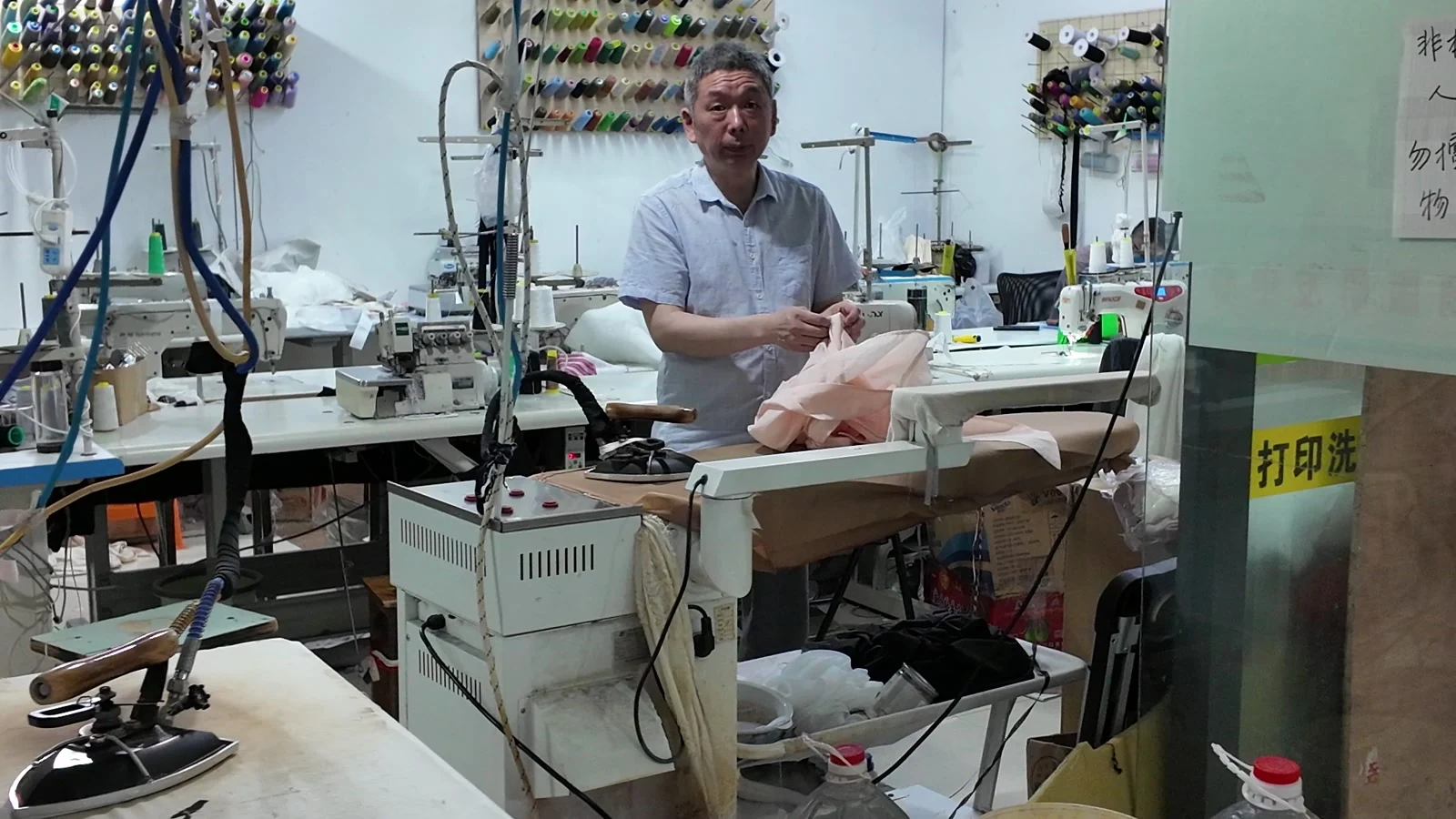
A useful route starts with a shortlist, not a list of every nearby market. Group appointments by their actual addresses and leave time to revisit the strongest candidates. One buyer may need a concentrated womenswear visit and a separate Zhili appointment. Another may need a factory discussion about an agreed sample and no market browsing at all.
Before each meeting, decide what you need to leave with: a revised sample, a confirmed specification, a comparable quotation or a production schedule. After the meeting, write down what was agreed and what remains open. Photographs should connect products with their model references; otherwise several similar samples can become hard to distinguish after a busy day.
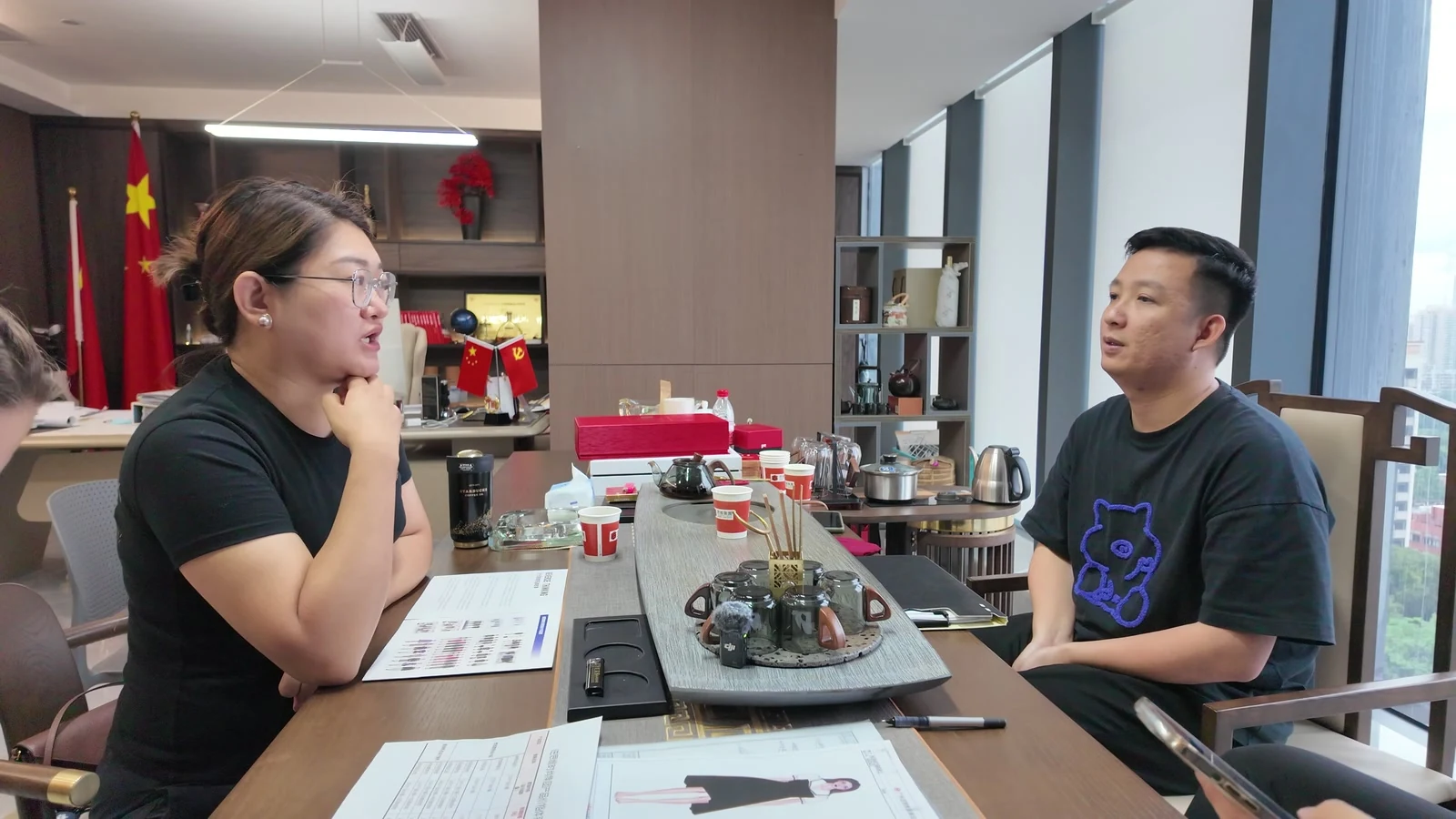
Tiger can coordinate business visits as part of the work described in our sourcing and supply-chain responsibilities. The language, attendance, itinerary and costs for your visit are confirmed for your brief. Russia-specific interpreting arrangements from earlier customer trips are not presented as a universal English-language package.
Make the purchase usable after you return home
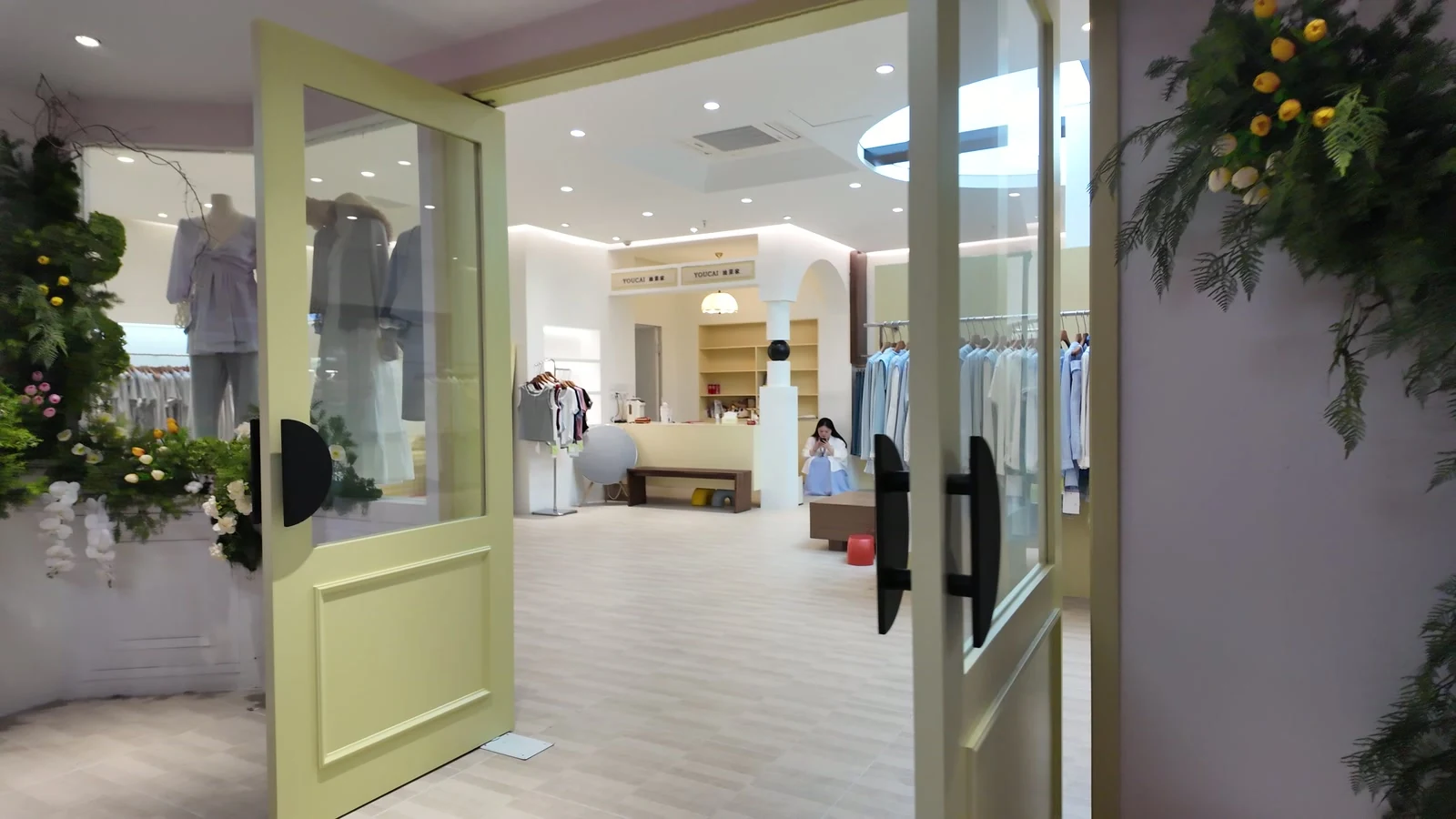
For every order, retain the supplier reference, approved product version, quantity breakdown, readiness date and collection instructions. If you buy independently after an accompanied visit, send those details to your Tiger contact rather than forwarding only a shop photograph. The warehouse needs to recognise the incoming order; it should not have to reconstruct the buying decision from scattered messages.
Orders from multiple suppliers can then move into China warehouse consolidation. Purchasing approval and shipping approval remain separate decisions. A carton arriving at the warehouse does not by itself establish that its contents meet the specification or that every item in the wider order is ready.
For repeat buying, record the differences between the sample and what actually arrived. That feedback improves the next brief. Our buying guides develop these practical questions further, while a product enquiry lets us discuss your own supplier shortlist and next step.
Questions buyers ask before starting
Can a small business use this approach?
Yes. Start with a manageable category and the quantities you can realistically buy. Tiger supports small and medium-sized businesses as well as custom-product enquiries. Supplier minimums depend on the product, version and relationship; the first task is to identify an arrangement that fits your purchasing model.
Should I visit every city in the guide?
No. Choose the places that answer your brief. A focused sample review and two relevant meetings can be more useful than several unrelated market visits. Add another area when it provides a meaningful comparison or a capability missing from your shortlist.
Can I order without coming to China?
Yes. Product selection, supplier communication, sample review and order coordination can begin online. You can then decide whether a visit would help resolve a specific technical or commercial question.
Are free samples delivered free of charge?
No. The sample is free under Tiger's sample offer; the customer pays the sample shipping cost. Confirm the selected product and delivery address with the team before dispatch.
Does a Russian customer example describe terms for other markets?
No. The examples explain sourcing decisions and actual working experience. Your quotation, payment arrangements, destination requirements and transport plan are agreed for your own order.
Experience and supporting sources
Working examples are based on Vera’s original Tiger field accounts. The purchasing and shipment checklists are practical guidance, rather than reports of additional completed customer orders.