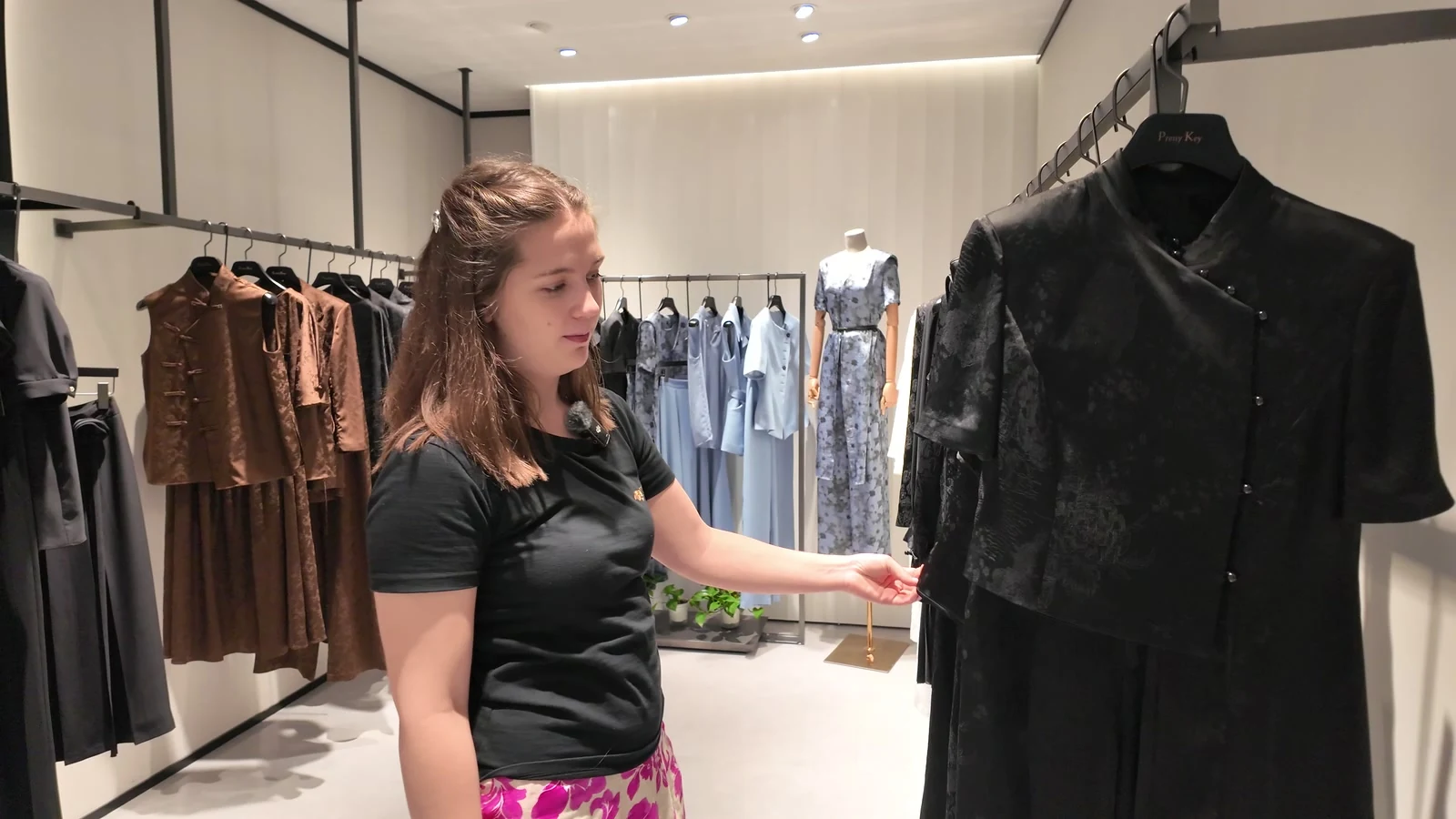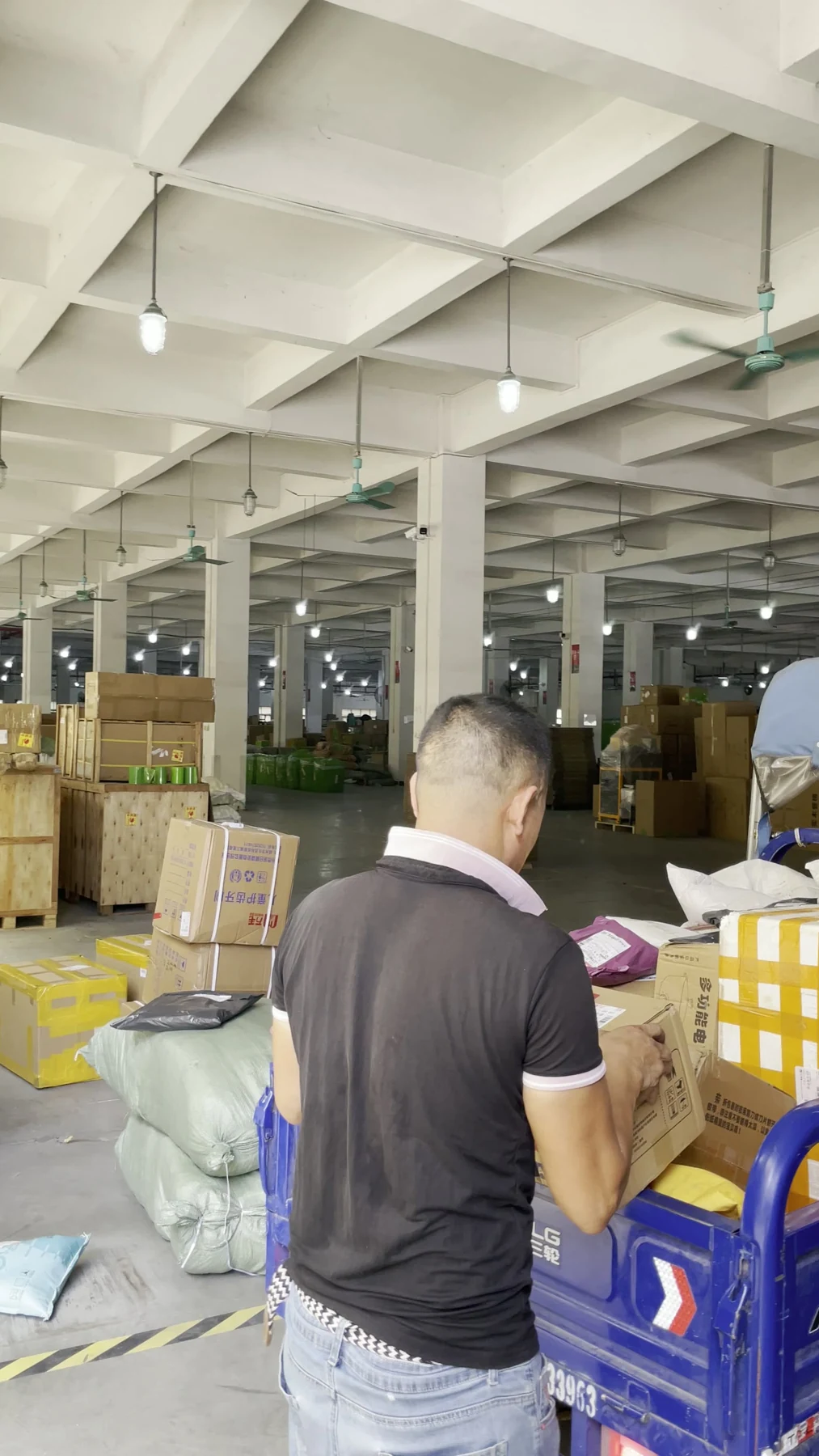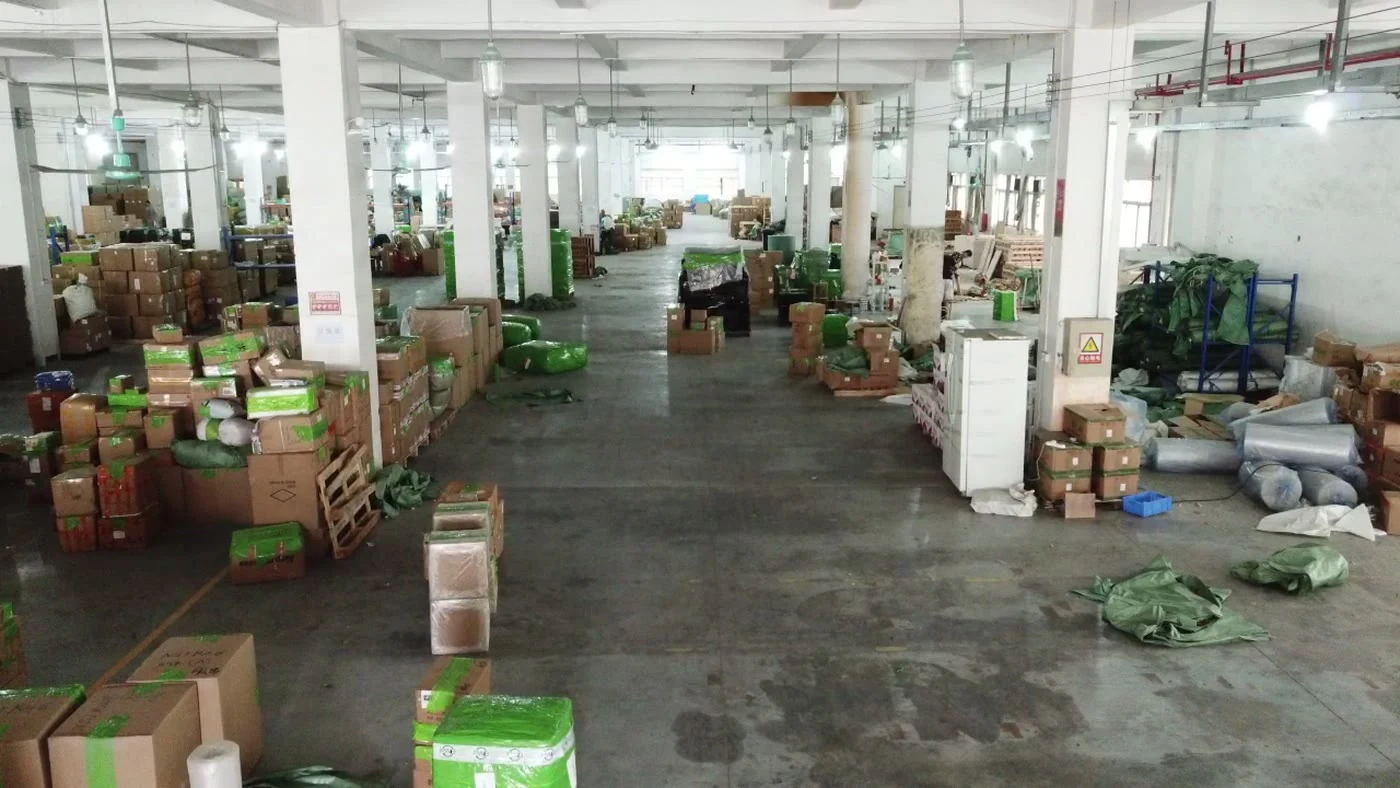
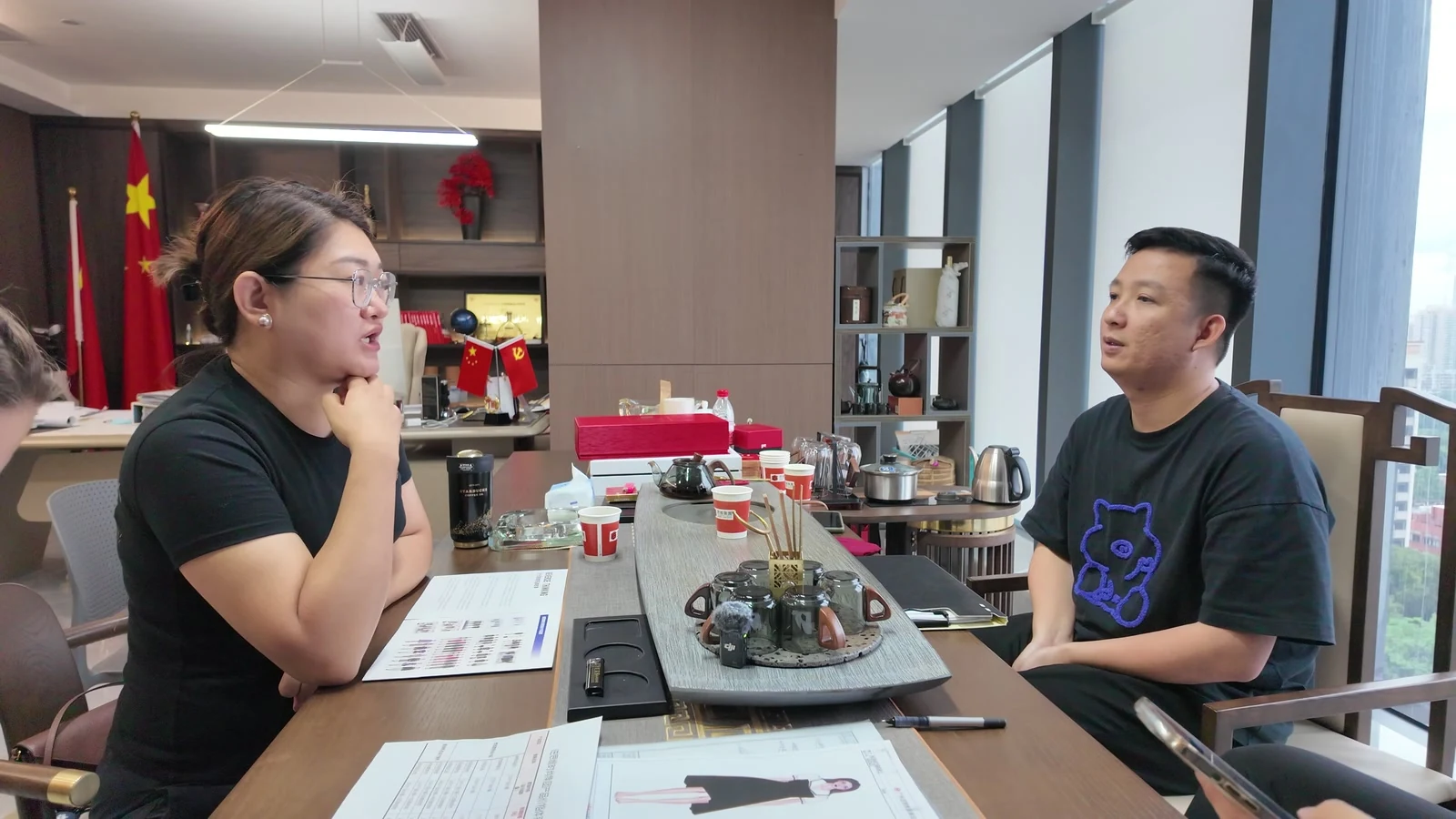
Guangzhou is a useful starting point for a sourcing project when you know which product decisions you need to make. Bags, denim, underwear, shoes and small appliances lead to different suppliers and different routes around the region. Booking a hotel first and filling the week with factory visits afterwards can leave the most important questions unanswered.
Vera's original notes describe Tiger's work accompanying buyers around Guangzhou and nearby manufacturing areas, including Zhongshan, Foshan, Xintang and Dongguan. This guide uses those directions to organise a purchasing brief. Tiger has extensive sourcing and transport experience serving European and American markets, including small and medium-sized businesses and custom-product buyers. You can begin online, use samples to narrow the choice and visit only when a meeting will help you make a decision.
Start with the product and your sales model
A shop building a seasonal collection, an importer replenishing an established product and a brand developing a custom item should not receive the same supplier shortlist. Write down what you need the supplier to do. Are you choosing from existing stock, changing an established design or asking for new development? What must stay identical when you reorder?
Include the intended customer, price position, quantity and country of sale. For a customised product, separate essential requirements from preferences you are willing to discuss. A photograph can communicate appearance, but it rarely specifies materials, internal parts, measurements or performance. Those missing details are often the reason quotations initially look difficult to compare.
Our supplier sourcing process turns that information into a common enquiry. Suppliers can then respond to the same task, and you can see whether a lower price reflects a genuine alternative or a different product.
Choose a manufacturing direction, then verify the supplier
| Product enquiry | Starting direction | What to clarify |
|---|---|---|
| Bags and leather goods | Guangzhou, including Shiling in Huadu | Material, construction, hardware, finish and sample approval |
| Denim clothing | Xintang in Guangzhou's Zengcheng district | Fit, fabric, wash, size breakdown and repeatability |
| Underwear | Selected suppliers in Foshan | Size system, fabric, fit, elastic and construction |
| Footwear | Selected factories around Dongguan | Last, size range, sole, materials and intended use |
| Small home appliances | Zhongshan and relevant neighbouring suppliers | Product function, electrical configuration, key components and destination |
| Colour cosmetics and packaging | A product-specific Guangzhou search, compared with relevant Zhejiang suppliers | Formula or container specification, compatibility, sample version and order size |
This is a search map, not a directory of pre-approved factories. The fact that an area has a strong industry does not establish that a particular business can produce your version. A supplier's own manufacturing, outsourced processes and responsibility for quality should be discussed before it enters the final shortlist.
Use the product-category overview to keep the technical questions attached to the item. Do not assume that a supplier suited to one category can handle an adjacent one simply because the products appear in the same catalogue.
Bags: specify the parts hidden behind the photograph
With bags, the first sample often attracts attention through shape and finish. The next conversation should cover the material, lining, reinforcement, stitching, closures and hardware. Two visually similar bags can use different materials and construction. If your brief says only “same as this picture”, the quotation leaves too much room for interpretation.
Identify the features your customer will notice in daily use: the handle attachment, opening, strap adjustment, pocket layout and the way the bag holds its shape. For a custom order, record dimensions and the approved hardware finish alongside the sample. Ask whether a component change needs your approval and how the supplier will preserve the chosen specification for repeat orders.
Discuss packaging at the sample stage too. A bag designed to hold a structured shape may need a different packing approach from a soft, foldable item. The intended retail presentation should inform the packaging brief before anyone tries to reduce the shipping volume.
Denim and underwear: approve a size system, not just one attractive sample
For denim, compare garments using a consistent measurement method. Record the size, fabric reference and wash version of the sample. A fit you like in one size does not settle the complete size range. Ask the supplier how the pattern is graded and identify which measurements matter most to your customers.
For underwear, describe the actual product and fit requirements before selecting factories. A business experienced in one type of underwear is not automatically the right choice for another construction or for swimwear. Cup shapes, elastic, fastening and material choices should be addressed within the relevant product enquiry.
Vera's experience with Russian clothing retailers is useful here: established buyers often preserve a clear store style through a core supplier group, adding selected statement pieces rather than buying everything from everywhere. A European or American boutique can use the same comparison method while applying its own fit, climate and customer preferences. The original observation does not mean all markets want the same collection.
Footwear: connect the sample with the production specification
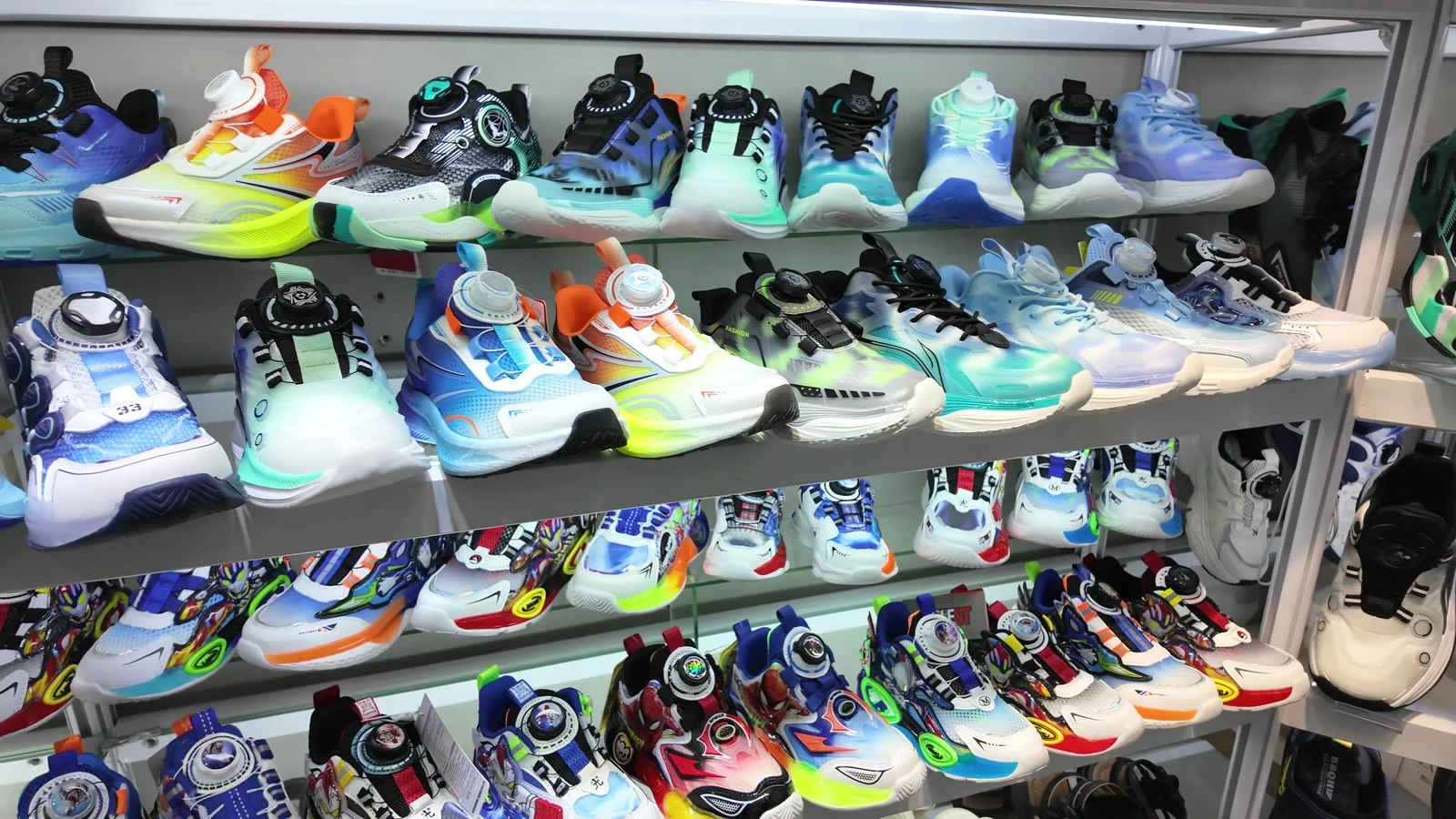
A shoe sample needs a traceable model reference. Record the intended use, upper and lining materials, sole, size system and the last used for the agreed fit. Ask how the supplier checks the size range and handles any approved material substitution. These questions are more useful than a general claim that the factory makes “export quality”.
For repeat orders, clarify which components remain available and what may change between seasons. If the product is being customised, agree which sample demonstrates appearance and which version will be used to approve production. A first development sample can reveal an issue without being the final reference for every detail.
A visit should help resolve those open decisions. Ask to see the relevant process and discuss your actual sample. A tour of unrelated production provides less information about your order than a focused conversation about the parts, fit and checks the supplier proposes.
Small appliances: compare the complete configuration
Zhongshan is one of the directions named in Vera's sourcing experience. For any proposed appliance, start with the function, intended user and country of sale. Then specify the electrical configuration, accessories, instructions and the key components that must remain consistent. Matching the outside of a product is not enough to establish that two quotations describe the same appliance.
Ask the supplier to identify the exact model and version covered by its technical documents. A document for a different configuration does not settle your own product enquiry. Product-specific testing and destination requirements should be checked with the appropriate specialists before you commit to production; a warehouse visual check does not replace that work.
For a small brand, after-sales practicality also belongs in the comparison. Discuss spare parts, replaceable accessories and the process for reporting a defect. Keep the answers in the order record. Tiger can coordinate questions and supplier responses without presenting a general supplier statement as proof that every destination requirement has been met.
Cosmetics and packaging: compare regions through one specification
Vera has worked with colour-cosmetics factories in Quzhou and Dongyang and found their offers competitively priced in those relationships. Those experiences provide a useful comparison point for a Guangzhou search. They do not establish a fixed price advantage for a whole region or show that every cosmetics factory handles the same product.
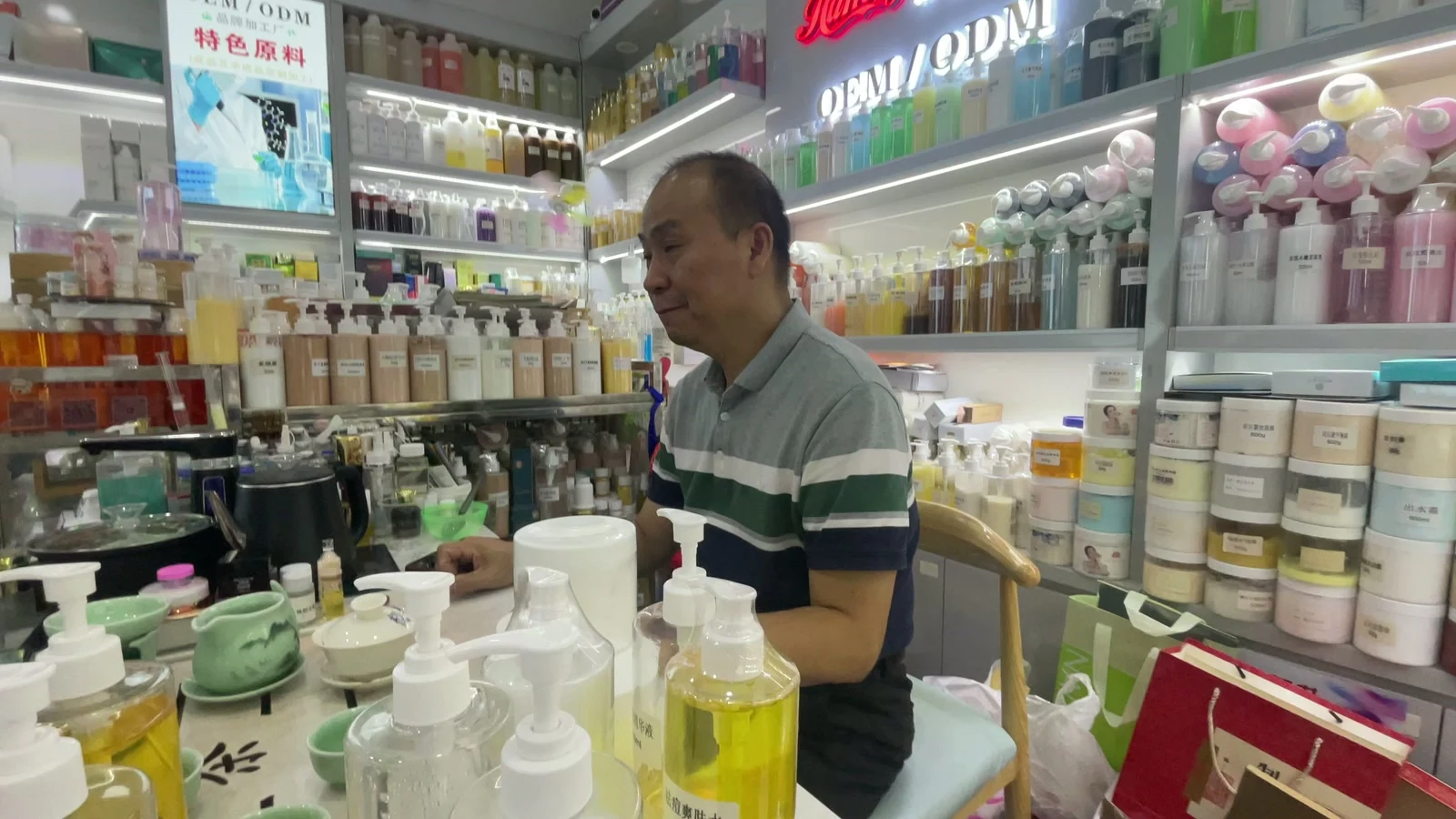
Identify the category, formula or development brief, shades, fill quantity and packaging version. Ask for the order quantity by shade, not only a combined total. For a bottle, pump or jar, define what constitutes the complete set and who is responsible for checking its suitability with the intended product.
If the product and packaging come from different suppliers or regions, settle who will receive and approve the components before filling or assembly. Record the handover, component quantities and timing. A cheaper component can create additional coordination work; compare the complete supply arrangement rather than treating each quotation as an isolated saving.
Begin online with a shortlist and free samples
Many purchasing decisions can be prepared remotely. Send Tiger a product reference or specification, your expected order quantity and destination country. We can coordinate the supplier search, gather comparable answers and help you review samples before deciding whether to travel.
Tiger offers free samples; customers pay the sample shipping cost. Tell us which products you want to evaluate, and the team will confirm the selection and shipping arrangements. If the enquiry includes custom development, describe the changes explicitly so that the sample review has a clear purpose. Do not let “sample approved” stand for features that were never shown or agreed.
For each sample, keep the supplier reference, model, photographs, measurements, requested changes and decision in one record. When several people participate in approval, name the person who can give the final answer. This prevents a factory from acting on a positive comment about appearance while another colleague is still changing the specification.
Build a visit around the strongest candidates
Once the shortlist is useful, group meetings around actual addresses. Guangzhou districts and neighbouring cities should not be treated as interchangeable locations. Confirm where the relevant people and production processes will be on the day, and allow time for sample comparison, notes and a return discussion if needed.
A bag enquiry might justify a concentrated programme in one direction. An appliance project might need meetings with a small number of technically relevant suppliers. A mixed clothing purchase may combine a market visit with one specialist appointment. These are planning approaches, not fixed tours or promises about how many factories can be visited in a day.
Use the visit to close questions that are difficult to resolve remotely. Our overview of work in China explains how supplier communication, purchasing and order follow-up fit together. The service arrangement for your trip is confirmed separately; earlier Russian-language interpreting prices are not used as a universal international package.
Turn the shortlist into a controlled order
Before confirming the purchase, bring the commercial and product details together: model, approved sample, materials, quantities, packaging, readiness date and the treatment of changes. Separate product costs from sample shipping, collection, packaging and international transport. Where an answer is still missing, identify who must provide it and by when.
Give every supplier a recognisable order reference and agreed receiving instructions. When the goods are ready, warehouse consolidation in China can connect the purchases with the shipping plan. The warehouse should receive the approved list, not just a message saying that some boxes are on their way.
Keep a record after delivery as well. Which item matched the sample, which issue required clarification and which supplier is suitable for replenishment? That evidence makes the next buying round more useful. Browse the sourcing guides for related questions, or send your product brief to start with a specific enquiry.
Questions before a Guangzhou sourcing project
Can Tiger work with smaller and custom-product buyers?
Yes. We support small and medium-sized businesses and custom enquiries. The supplier shortlist should reflect your actual quantity and development needs. A factory's minimum order and the practical route to a first purchase are assessed for the product rather than promised as one universal number.
Do I need to visit China to place an order?
No. You can begin with online supplier coordination and sample review. Travel becomes useful when it helps you resolve specific questions, inspect a relevant process or compare shortlisted suppliers in person.
Does free sampling include delivery?
The sample is free under Tiger's sample offer, while shipping is paid by the customer. Confirm the selected item and destination before dispatch. The sample review should also identify any custom features that still need separate discussion.
Is Guangzhou always cheaper than Zhejiang?
No regional percentage can answer that for your order. Compare current quotations for the same specification, quantity and included work. Existing relationships and the ability to replenish a consistent product can matter alongside the initial price.
Can one supplier handle my entire range?
Possibly, but verify the actual capability and responsibility for each product. A catalogue can include goods made by other businesses. When several specialists are the better fit, coordinate their orders and collection instructions as one purchasing project.
Experience and supporting sources
Working examples are based on Vera’s original Tiger field accounts. The purchasing and shipment checklists are practical guidance, rather than reports of additional completed customer orders.