

Buying from several suppliers in China creates a second job after purchasing: making sure every parcel can be identified, checked and connected with the shipment you actually want to send. One shop may send ten packages, another three and a third only part of an order. Consolidation starts with that information, not with putting everything into a larger box.
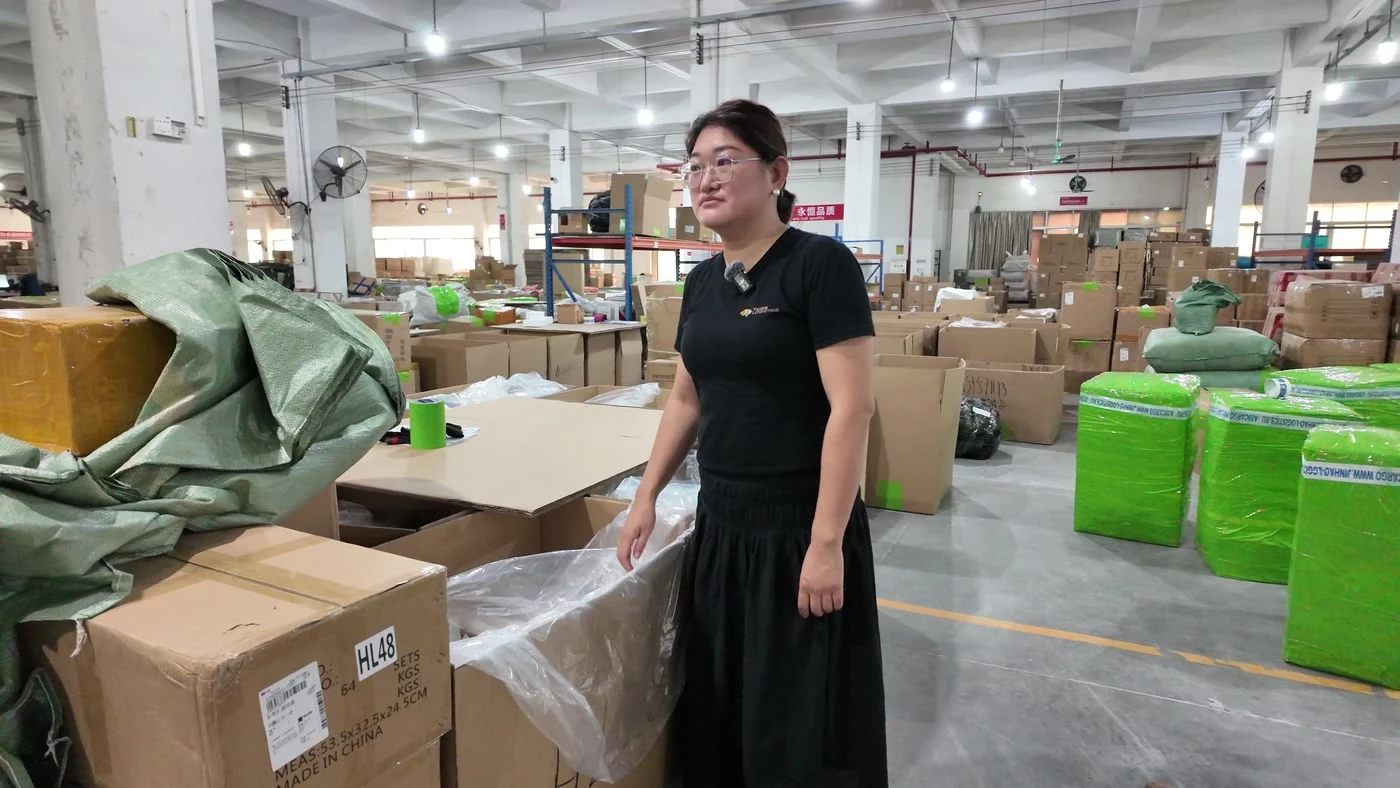
Vera's original account describes Tiger collecting children's clothing from several Zhili shops and bringing the orders to the Yiwu warehouse for checking, weighing and reconciliation. This guide uses that real working situation to explain how an international buyer can prepare a multi-supplier shipment. Tiger also has extensive sourcing and transport experience with European and American customers, including smaller businesses and custom-product buyers.
What consolidation should accomplish
A consolidation warehouse brings separate supplier deliveries together under a defined customer order or shipping plan. Receiving establishes what arrived. Reconciliation connects it with what was expected. Agreed inspection identifies the product issues within its scope. Packing prepares the accepted goods for the selected transport arrangement.
Those steps should remain distinguishable. A delivery signed for at the warehouse is not automatically a complete order, and a complete order is not automatically authorised for international dispatch. The buyer may still need to decide about an outstanding item or a discrepancy.
Tiger's China consolidation warehouse service connects these tasks. To begin, identify the goods, supplier locations and destination. You do not need a perfect spreadsheet before making contact, but each supplier's order should become traceable before parcels start arriving.
Build one expected-delivery list
Start with a row for each supplier order. Include the supplier's name or internal reference, your purchase reference, product description, expected quantity, expected package count if known and the estimated dispatch date. Add the domestic tracking information when the supplier provides it.
Package count and product quantity are different fields. Three cartons might contain one hundred garments, or they might contain a mixed assortment with different quantities. Neither field can reliably be reconstructed from the other without a packing record. If the supplier does not yet know the final package count, leave it open until packing is complete.
| Record | Why it matters | When to confirm |
|---|---|---|
| Customer and purchase reference | Connects arriving goods with the correct buyer | Before supplier dispatch |
| Supplier and product breakdown | Supports reconciliation against the purchase | Before receiving and checking |
| Package count and tracking | Shows which deliveries remain outstanding | At domestic dispatch |
| Actual weight and dimensions | Supports the transport calculation | After the relevant packing stage |
| Release decision | Identifies what may be shipped | After agreed checks and buyer decisions |
Give every supplier consistent receiving instructions
Use the warehouse instructions supplied for your order, including the correct receiving address and customer or shipping mark. Send the same identifying reference to the supplier and your Tiger contact. Avoid asking the warehouse to identify goods solely from a familiar product photograph or a salesperson's first name.
If one supplier ships several parcels separately, ask it to identify the relationship between those parcels. If the order is split into ready and pending goods, record the split. “Shipped” should describe a particular dispatch, not imply that the full purchase is complete when only one part has left the shop.
Vera's account describes using a shared purchasing conversation to confirm orders with customers, suppliers and the team. The useful principle is a common record of the current instruction. Whatever communication method your project uses, keep the approved order and receiving reference accessible to the people handling the goods.

Record arrivals without losing the missing items
At receiving, compare the delivery with the expected list. Record the package count actually received and any immediately visible external issue. Connect each arrival with its supplier dispatch so that a late parcel does not appear to be an unidentified new order.
Use clear status descriptions: expected, partly received, received, awaiting a check, awaiting a buyer decision and released for packing. These are useful working categories, not claims that every order needs a complex software system. Even a small buyer can benefit from keeping “arrived” separate from “ready to ship”.
When something is missing, start with the evidence available: supplier dispatch confirmation, domestic tracking, package count and warehouse receipt. Ask a specific question about the unresolved delivery. Repeated messages saying “please check my goods” are much harder to act on than an order reference and the exact missing package or item.
Agree what checking means for your goods
Checking may involve reconciling quantities, looking at visible condition or comparing identified product details with an agreed order. The scope should be established before the work begins. Counting packages does not count the items inside, and opening a few packages does not mean every unit has been examined.
For clothing, the buyer may want attention to style references, sizes, colours, visible workmanship and accessories. For other products, a different inspection brief may be needed. Technical performance, material composition or destination-specific requirements can require evidence beyond an ordinary warehouse check.
Under the service terms confirmed by Vera, Tiger provides free consolidation and agreed warehouse inspection. Packaging, customs clearance and transport are quoted separately. Clarify the checking scope for your shipment so that “free inspection” describes actual agreed work rather than an assumed laboratory test or an unspecified examination of every possible feature.
Keep a product problem separate from a transport decision
If a quantity, colour or product reference does not match, identify the affected goods and record what was found. Ask the buyer and supplier to decide the next step. The warehouse should have a clear instruction about which items remain on hold and which may continue through preparation.
This matters when most of a mixed order is correct. The buyer may prefer to wait, replace an affected item, approve a documented change or send the accepted part separately. Those are different commercial choices. The transport team can explain their shipping implications, but arrival at the warehouse should not silently decide them.
The wider logistics service overview helps define the work involved. If the unresolved issue is actually a purchasing question, refer it back to the order owner before packing makes the affected items harder to access.
Decide whether to wait for everything or split the shipment
Combining orders can make handling and transport more convenient, but waiting for one delayed supplier may conflict with the buyer's selling date. The decision should compare the actual alternatives: what is ready, what remains missing, the expected delay and the quoted cost of the proposed shipping arrangements.
For example, a retailer may need an initial assortment before a launch while another supplier is still finishing a non-essential item. That is a planning example, not a completed Tiger case. Ask for a comparison of sending the ready portion and waiting for the remainder. Do not assume that either choice is automatically cheaper or faster overall.
Before making the choice, establish whether the goods form a functional set. Shipping containers without the matching components, or part of a coordinated retail pack, may not help the buyer. The expected-delivery list should therefore record dependencies as well as quantities.
Pack around the goods and their destination
Once the accepted goods are identified, agree what packaging should be retained, changed or combined. Retail packaging may be important to the product's saleability. A supplier carton may be useful for identification but unsuitable for the final arrangement. The best choice depends on the goods, handling and receiving requirements.
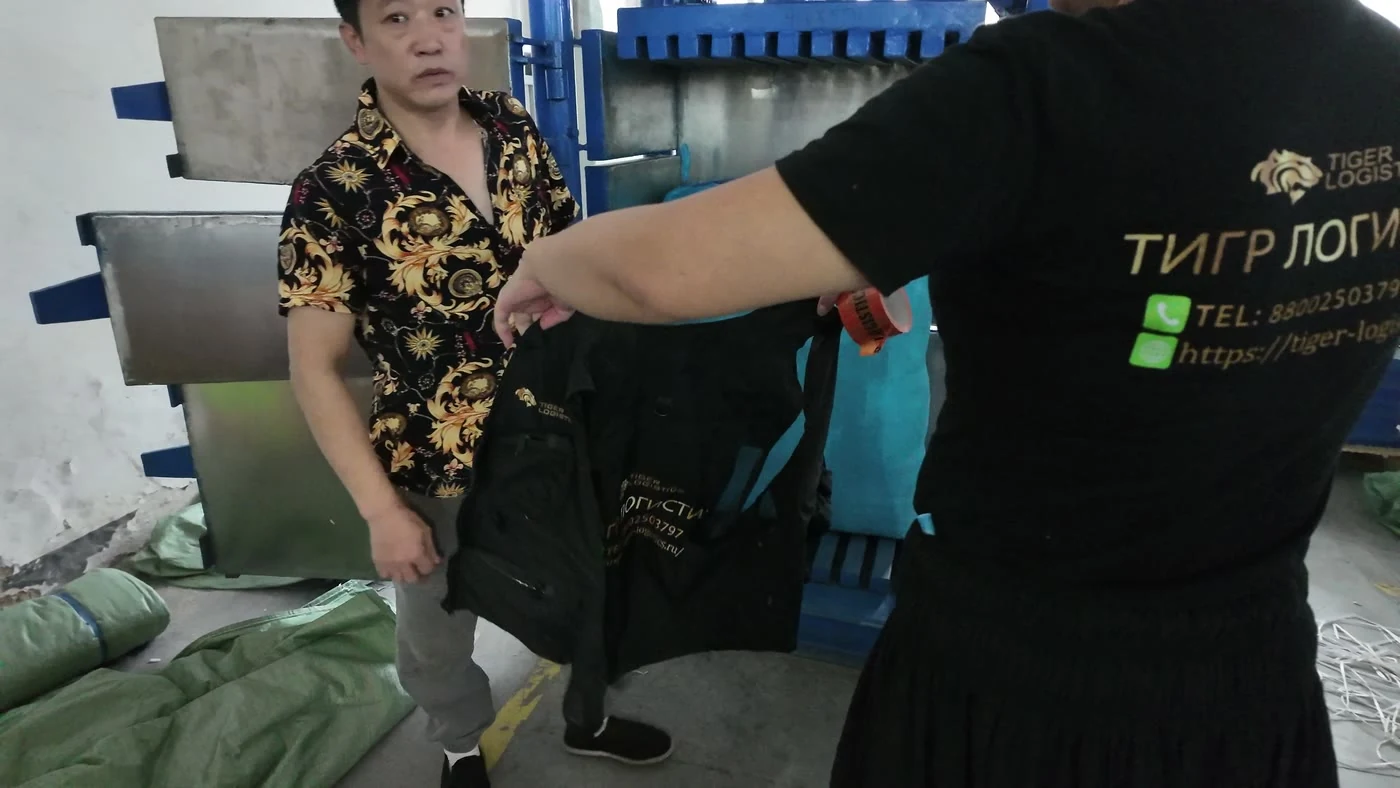
Photograph or document important references before changing packaging, and preserve the connection between the contents and final package numbers. If goods from several suppliers share an outer package, the final contents record should still show what belongs inside. Reducing the number of boxes must not remove the buyer's ability to reconcile the delivery.
Then measure and weigh the shipment in its relevant final packed state. Supplier estimates are useful for planning, but they should not be mistaken for the final measurements after consolidation. Ask the team to explain the basis of the transport quotation and any assumptions that remain provisional.
Connect the packing record with the shipping information
The shipment description, quantities, values and receiving details should correspond with the goods being sent. If an order changes during reconciliation, update the relevant records rather than sending an old packing list with a new physical shipment.
The precise documents and destination requirements depend on the products and route. Provide the information you already have and identify gaps early. This guide does not assume that the same document set or clearance arrangement applies to every market.
Our international forwarding service can assess the route using the actual cargo and destination. If you need delivery to a specific address, discuss the receiving conditions through the door-to-door service, including who receives the shipment and any access or appointment needs.
Prepare an enquiry for Europe, the Americas or another destination
Start with the product, supplier locations and destination country and city. Add available package counts, weight, dimensions, readiness dates and the date you hope to receive the goods. Distinguish measured figures from estimates so that the team knows what still needs confirmation.
Tiger's European and American market experience supports the discussion, but each shipment still needs a product and route assessment. A past clothing shipment does not establish acceptance, cost or timing for a different type of cargo. Browse the destination overview for the service context and request an assessment for your actual goods.
You can also coordinate the project remotely. If you still need suppliers or samples, Tiger Sourcing China can support that earlier stage. Tiger offers free samples with sample shipping paid by the customer; a sample dispatch should be identified separately from the later commercial shipment.
A small mixed order: make the missing information visible
Consider a planning example with four suppliers. Three have dispatched and one is still preparing the order. Two deliveries have reached the warehouse, while a third is in domestic transit. A summary saying “three suppliers shipped” does not tell you whether the proposed international shipment is ready. The receiving list needs to show the separate position of each order.
For the first supplier, record the arrived packages and completed checks. For the second, record any open product question. For the third, keep the dispatch reference and expected arrival visible. For the fourth, ask for the readiness information needed to make a shipping decision. This is an illustrative workflow, not a report of an additional Tiger customer case.
The buyer can then give an informed instruction. If timing is flexible, it may be reasonable to wait for the full set. If a selling date matters, the team can compare a defined partial shipment with the complete option. Either way, preserve the unshipped balances so that the next conversation starts from the current order status.
Questions about multi-supplier consolidation
Can I use Tiger if I already have my suppliers?
Yes. Send the supplier locations, cargo information and destination so that receiving and shipment preparation can be discussed. Existing suppliers should receive the correct warehouse instructions and customer reference before they dispatch.
Does consolidation always reduce the total cost?
It can change the packing and transport arrangement, but savings depend on the actual goods, collection, handling and route. Compare the quoted complete options rather than assuming that fewer outer packages automatically produce a lower final bill.
Is warehouse receipt the same as product approval?
No. Receipt confirms an arrival. Reconciliation and agreed inspection answer additional questions. A release instruction should follow the relevant checks and any buyer decision about discrepancies.
Can you ship part of an order first?
Discuss which goods are ready, whether they can be used separately and the required timing. The team can compare the shipping implications. Keep the remaining items visible in the order record so that they are not forgotten after the first dispatch.
What is the simplest way to start?
Send the goods, supplier locations and destination. Include the measurements and packing lists you already have. The next conversation can fill in missing information without asking you to reconstruct the whole purchasing history at once.
Experience and supporting sources
Working examples are based on Vera’s original Tiger field accounts. The purchasing and shipment checklists are practical guidance, rather than reports of additional completed customer orders.