
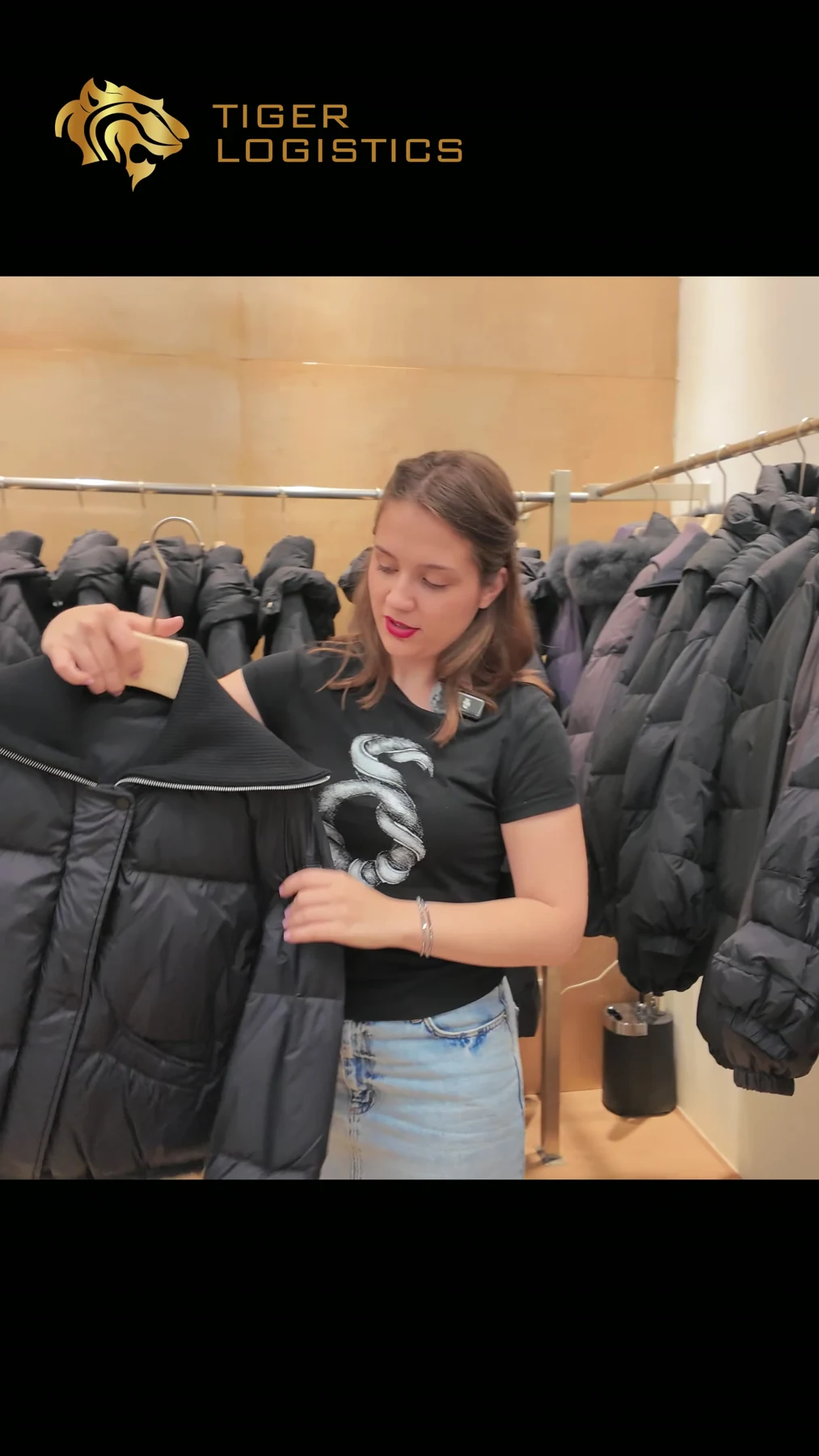
A smaller package is useful only if the jackets inside remain saleable. Down jackets can take up considerable space relative to their weight, which makes compression attractive during shipping preparation. But a garment includes more than its filling: plastic zipper pulls, buttons, collars and decorative parts may respond very differently to pressure.
Vera's account describes a real Tiger packing mistake. Strong compression damaged plastic zipper pulls or buttons, and Tiger compensated the customers for the damage it caused. The team then changed the packing approach, using air extraction within compression bags and separate protection for vulnerable parts. This guide explains the purchasing and shipping decisions behind that lesson without presenting one packing method as suitable for every jacket.
Why package size matters to the transport discussion
For some services, the carrier compares actual weight with a weight derived from the package dimensions. DHL's published guidance describes this relationship and explains that the charging basis depends on the service. The practical point for a jacket buyer is to provide both weight and dimensions rather than quoting weight alone.
Do not apply one carrier's divisor or parcel formula to every air, road, rail or sea quotation. Ask the team to explain the calculation for the proposed route, including the measurement units and whether the figures are preliminary or final. The same goods can produce different calculations under different services.
Our international forwarding service assesses the cargo and route together. When compression is being considered, compare a realistic protected package with the proposed alternative. The aim is a suitable shipment, not simply the smallest number on a measuring tape.
What went wrong in the original case
The original account is direct: Tiger used strong compression while trying to help customers reduce transport costs. Plastic zipper pulls or buttons broke. Any saving in shipping space had to be considered against damage to the products, and Tiger took responsibility for the loss caused by its own packing error.
The lesson is to assess pressure-sensitive components before choosing how far to reduce package volume. A comparison should show the protected garment and the resulting package, with any unresolved concern made visible. The team's subsequent change in approach put the condition of those components into the packing decision alongside the transport cost.
For a new order, the first question is therefore which components need protection. A filling material may compress while a rigid trim breaks. A garment may look soft overall but contain concentrated points of vulnerability. Identifying those parts before packing is more useful than relying on a general description such as “winter clothing”.

Inspect the garment as a combination of components
| Feature | Question before packing | Useful reference |
|---|---|---|
| Zipper pulls and buttons | Could pressure concentrate on a rigid or fragile part? | Close photographs of the actual components |
| Collar and removable trim | What protection and presentation must be preserved? | Approved garment and supplier instructions |
| Decorations or structured details | Can they bend, mark another surface or lose shape? | Sample and agreed packing trial |
| Shell and lining | Are there surface or presentation requirements? | Product specification and care information |
| Retail accessories and packaging | Which items must stay together and remain intact? | Order contents and retail presentation brief |
Ask the supplier to identify any product-specific packing instructions. Use the actual model or a representative sample, especially when the order contains several designs. A packing approach acceptable for a simple jacket may not suit one with a bulky collar or decorative hardware.
Keep the buyer's priorities visible. Some garments need to arrive ready for a particular retail presentation. Others can be unpacked and prepared before sale. Those differences belong in the discussion before a transport quote is treated as final.
What changed in Tiger's approach
Vera describes moving to air extraction within compression bags, with separate protection for zipper pulls and collars. The supplier can help prepare the vulnerable details. This is the method described in the original work account; it is not a published technical specification for every product or a guarantee against all transit damage.
The important change is that volume reduction is considered alongside the whole garment. Ask how the proposed approach addresses the actual trims and what evidence will show the result. Where a product has a new construction or an unfamiliar component, a suitable trial can inform the decision before the full quantity is packed.
The warehouse consolidation and packing service provides the setting for this discussion. The packing brief should identify the accepted goods, the approved handling instructions and any items requiring a different arrangement.
Use a packing trial to answer a defined question
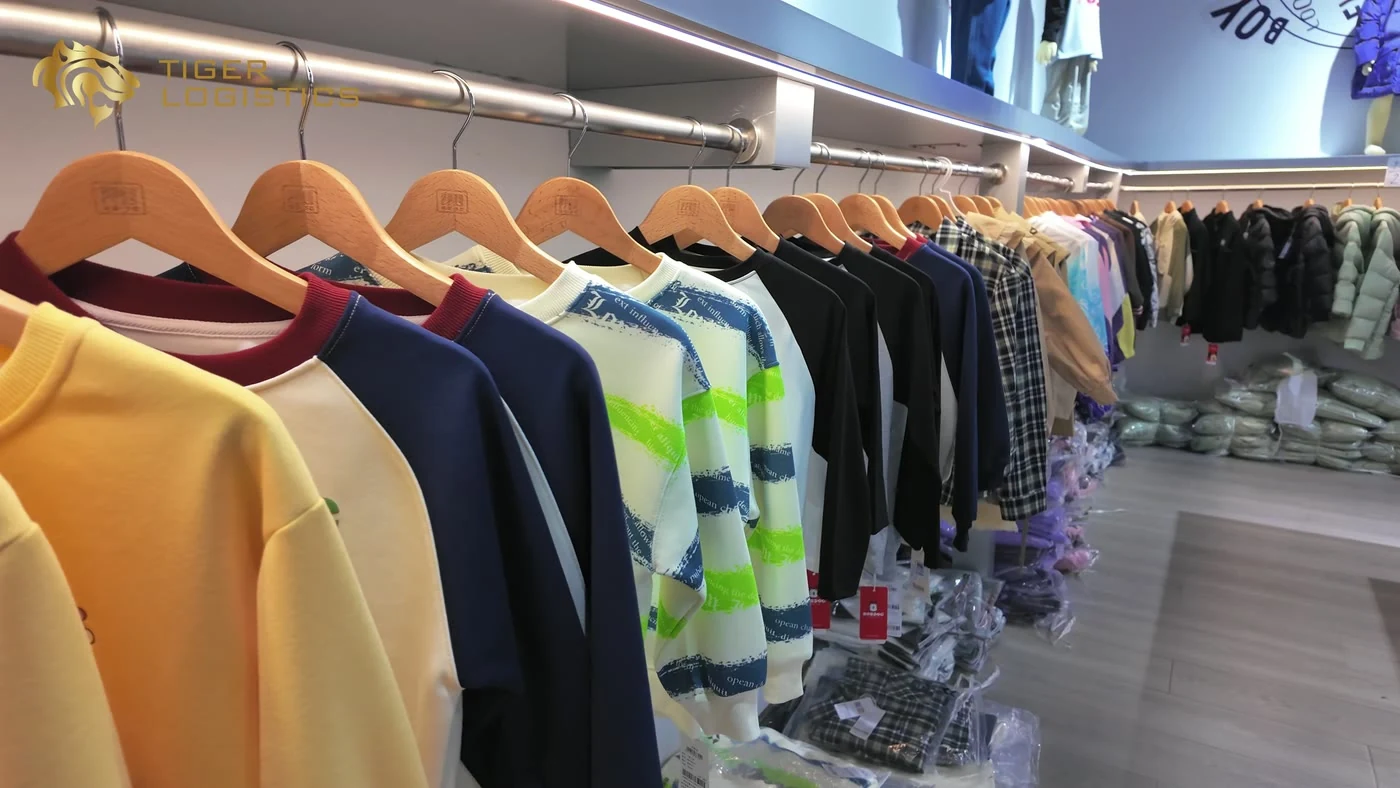
A trial should be designed around the product, not performed merely to produce a photograph. Identify the garment version, packing materials and features being assessed. Decide what will be checked after unpacking: visible trim condition, completeness, presentation and any product-specific issues agreed with the supplier.
Record the conditions and the result so that the trial can be understood later. If a different jacket, bag or outer package is used for production, establish whether the earlier trial remains relevant. A successful check of one simple style should not be extended automatically to all styles in a mixed order.
When the trial raises a question, change the plan before scaling it to the full shipment. The buyer can then compare the practical alternatives: retaining more volume, changing the arrangement or treating particular items separately. No single saving percentage should take the place of that assessment.
Do not confuse temporary loft changes with every form of damage
IDFL's fill-power guidance notes that compression, shipment and storage affect loft measurements and that conditioning matters when testing. This helps explain why a compressed garment's immediate appearance is not a complete laboratory assessment of its filling.
That does not mean every problem will disappear after unpacking. A broken zipper pull, missing button, torn seam or damaged surface is a different issue from compressed filling. Record the actual condition and follow the product's care or recovery instructions rather than assuming one treatment is suitable for all garments.
For a technical dispute about filling performance, agree the appropriate evidence and testing method with the supplier or specialist. A warehouse photograph or a quick hand-feel assessment cannot establish all the relevant properties. The receiving and packing record can show what was observed without claiming to be a laboratory report.
Compare the complete packing and transport options
Ask for the package count, dimensions and actual weight for each practical option, together with the packaging cost and relevant transport calculation. Identify any figures that are still estimates. The final measurement should reflect the shipment in the form in which it will be handed over.
A comparison might include a less compressed arrangement that preserves retail packaging and a more compact arrangement approved for the garment. This is an example of how to structure the decision, not a claim that both options are suitable for every order. The buyer should understand which product or presentation differences accompany the quoted costs.
Include the intended receiving process. If goods need to be unpacked, checked or prepared before sale, plan the time and people required. A shipping choice should support the complete delivery and selling process, not end with a low freight figure detached from what happens when the shipment arrives.
Keep order identity through repacking
When supplier packages are opened or combined, preserve the connection with the original order lines. Record which styles, colours and sizes are placed in each final package. Protecting the garments is only part of a successful shipment; the receiver also needs to identify and reconcile them.
If several suppliers' goods are consolidated, avoid relying on the discarded outer cartons as the only record of their identity. Use a final contents list that matches the actual packed shipment. If a garment remains on hold for a product decision, make its status clear before the rest is packed.
The wider logistics service scope connects receiving, checking, packing and dispatch. Each stage should pass forward the information the next stage needs, particularly when a smaller buyer is managing the order remotely.

Confirm the shipment and destination requirements
Provide the destination country, city and actual receiving address when available. Describe whether the receiver can handle the proposed packages and whether delivery requires an appointment or other arrangements. Those details help turn a general transport discussion into a workable shipment plan.
Tiger has extensive experience with sourcing and transport for European and American buyers. The destination guide provides an overview, while the door-to-door service can be discussed for the actual cargo and delivery conditions. Neither a past route nor a successful packing case creates a fixed transit promise for every shipment.
Keep the final approval specific: goods, packing approach, measured shipment details and destination. If a late supplier change affects the garment or packaging, review the relevant part of the plan before dispatch rather than treating the earlier approval as unlimited.
If something is damaged, preserve a usable record
Record the affected garment, quantity, package reference and visible issue. Keep photographs of both the product and relevant packaging, together with the order and receiving records. This helps the parties investigate what happened and assess the actual loss.
Vera's stated approach is that Tiger takes responsibility for damage caused by its own error and compensates the actual goods-value loss attributable to that damage. It is not a promise to reimburse the value of an entire undamaged shipment because some items were affected. Responsibility and the extent of the loss need to be established from the actual case.
Insurance is a separate discussion. Do not assume that a particular policy covers every type of damage or that the terms of a Russian customer's arrangement apply worldwide. Ask about the actual cover proposed for your shipment and keep it distinct from the packing instructions and responsibility for an identified error.
Connect sample review with the future packing decision
If you are still sourcing the jackets, include packing questions in the sample review. Photograph the trims and record the product details that might affect preparation. The approved sample should help the supplier, buyer and warehouse discuss the same garment.
Tiger's online sourcing service supports supplier and sample coordination. Tiger offers free samples, with sample shipping paid by the customer. A sample dispatch can help you assess the product, but its packaging should not automatically be treated as the final method for a larger commercial shipment.
Prepare one packing brief for a mixed jacket order
List the models separately and identify which designs share the same construction and vulnerable components. Add the supplier's current instructions, the buyer's presentation requirements and photographs that show the relevant details. A warehouse should be able to recognise an exception without relying on the person who selected the garments being present.
Then connect each model group with the proposed arrangement and any trial or approval still needed. If one design requires different protection, keep that distinction visible when final packages are planned. The purpose is not to add paperwork to a small shipment; it is to avoid applying one broad instruction to products with different needs.
At handover, confirm that the final package list matches the accepted goods and that any changes have reached the shipping team. A useful brief closes with the measured package information and the approved destination, so the transport calculation refers to the actual protected shipment. Preserve the earlier figures as estimates rather than allowing them to compete with the final record.
Questions about shipping down jackets
Should every down jacket be vacuum compressed?
No. Assess the actual garment, trims, supplier instructions, presentation needs and proposed transport arrangement. A method that worked for one design may need changes for another.
Can you quote from the weight alone?
Weight is a useful start, but package dimensions and the proposed service may affect the calculation. Supply both when available and distinguish estimates from final measurements.
Does a lower package volume mean a lower total cost?
Not necessarily. Compare packaging work, transport conditions and the product's condition and saleability. The original Tiger case illustrates why damaged components can undermine an apparent freight saving.
What should I send for a packing assessment?
Send garment photographs, quantities and destination. Add close views of zipper pulls, buttons and collars, along with current package dimensions and weight if known. Those details make the discussion more specific than a request to compress the goods as much as possible.
Experience and supporting sources
Working examples are based on Vera’s original Tiger field accounts. The purchasing and shipment checklists are practical guidance, rather than reports of additional completed customer orders.