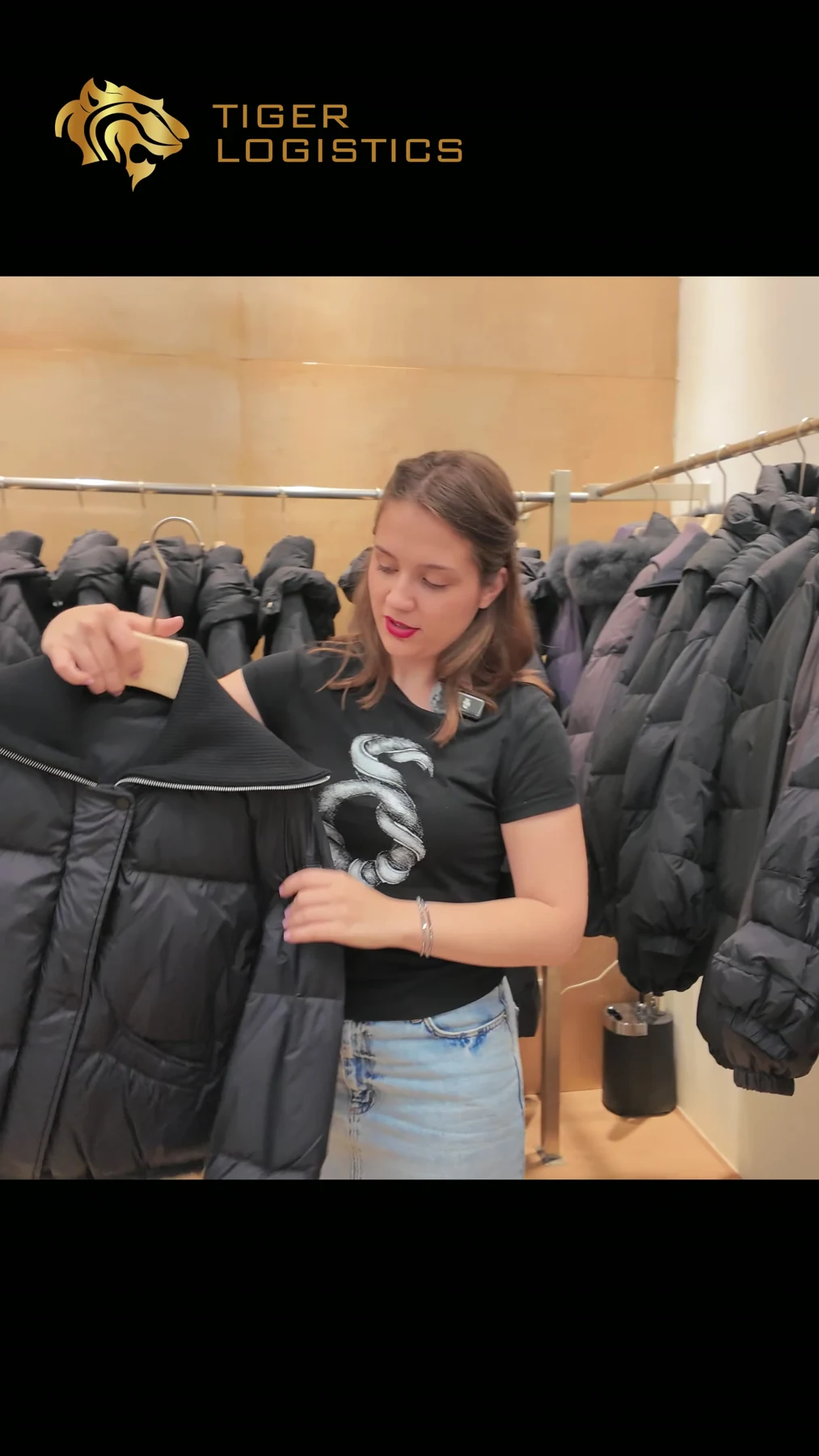
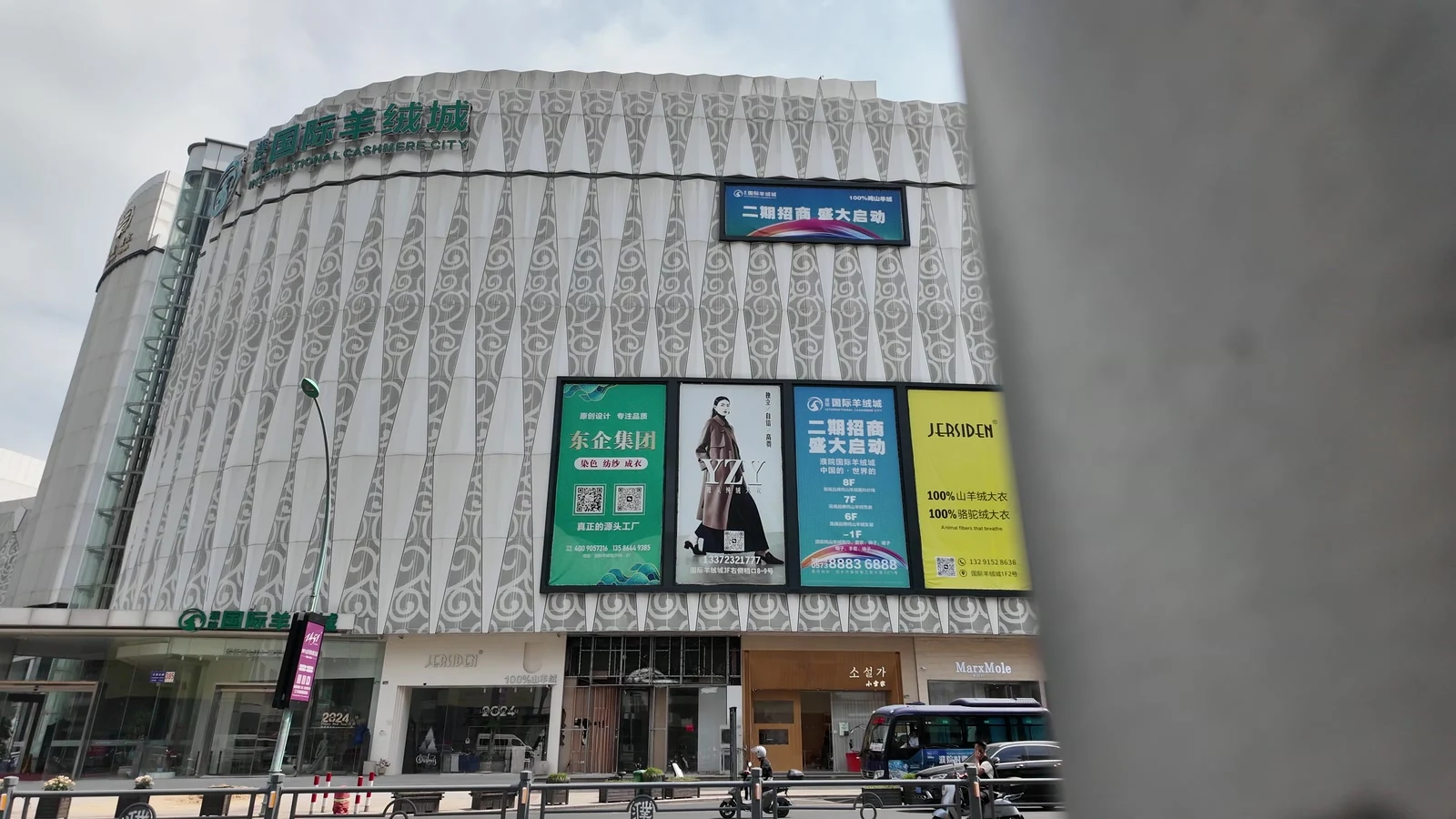
Buying down jackets in Pinghu begins with a choice between three different orders: selecting a new collection, commissioning a customised version or purchasing available stock. They can all be sensible, but the questions about samples, quantities, timing and risk are different. A low unit price is useful only when the goods also fit your customers and your selling season.
This guide draws on Vera's supplier visits and order-management experience, including a Russian customer's colour discrepancy and the practical limits of clearance buying. Tiger supports overseas retailers, smaller brands and custom-product buyers, with extensive sourcing and shipping experience in European and American markets. You can begin online and use samples before deciding whether an in-person visit is worthwhile.
Choose the purchasing model before comparing offers
Collection buying lets you choose from a supplier's new designs and discuss the season ahead. Custom production adds decisions about materials, fit, colours, trims and quantities. Available-stock buying begins with goods that already exist, so the size mix and remaining quantity may be less flexible.
| Purchase | Main decision | Information to request |
|---|---|---|
| New collection | Which designs suit your retail position? | Samples, size range, ordering window and production schedule |
| Custom version | Which features must meet your specification? | Approved sample, materials, measurements and change process |
| Clearance or remaining stock | Is the available assortment commercially useful? | Actual quantity, size breakdown, condition and availability |
Give that choice to your sourcing contact at the start. A factory making a new order and a seller clearing a remaining lot should not be compared as if they were offering the same commercial arrangement.
What a supplier ordering event can help you decide
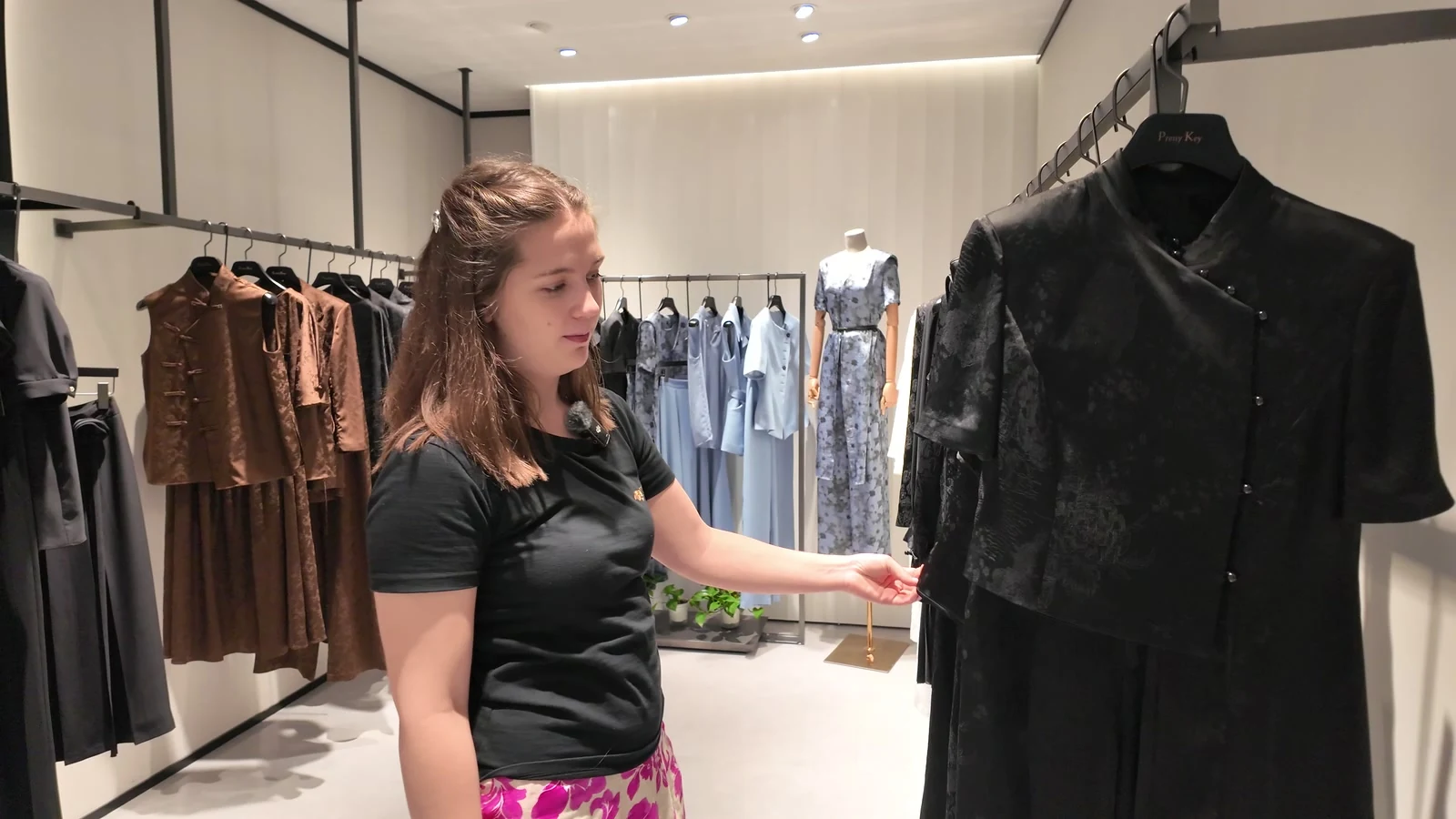
Vera describes attending partner suppliers' ordering events around May and June. These included display areas and models wearing the coming season's designs. Seeing the product worn helped buyers judge silhouette and presentation, while supplier discussions covered the details needed to move towards an order.
This experience provides a reason to ask your shortlisted supplier about its collection schedule. It does not establish one fixed event calendar for all of Pinghu. Confirm dates and whether the relevant products will be available to review before arranging a visit.
Prepare a comparison sheet before attending. Record the model, intended customer, sizes, fabric, filling specification, trims and proposed readiness date. A striking display can introduce a design, but it cannot replace the sample and specification you will later use to approve the order. Photograph product references alongside the garments so that the notes remain usable afterwards.
Specify a jacket as a complete product
Begin with the use and retail position. A fashion jacket, a longer winter coat and an outdoor-oriented garment can place different demands on fit, materials and construction. Do not reduce the comparison to the filling percentage or the photograph of the outside.
For each proposed version, record the shell and lining, size measurements, filling description, filling weight, closures, hood or collar details and any removable parts. State the colour reference and identify the sample version. If the supplier offers a lower-cost alternative, ask exactly which features change.
The industry context helps frame the enquiry, but the actual order must describe the actual garment. A statement such as “premium quality” leaves the important decisions open. An approved sample, measurable requirements and a clear comparison between versions give both buyer and supplier a more useful reference.
Separate down content, filling weight and fill power
These terms describe different aspects of the product. Filling composition concerns what is in the fill. Net filling weight concerns how much is used. Fill power concerns loft under a specified test approach. They should not be treated as interchangeable scores or as a stand-alone guarantee of warmth in every setting.
IDFL's jacket-testing guidance separates composition, species identification, fill power, net fill weight and other checks. That distinction is useful when preparing questions for a supplier or testing provider. Ask which property a claimed result measures, which sample it covers and what test method was used.
A warehouse visual inspection cannot establish those laboratory results by looking at a finished jacket. For your purchasing decision, identify which evidence is necessary for the product and intended market, then arrange the appropriate checks. Avoid approving a specification solely because a label carries an impressive percentage.
A real colour discrepancy: catch the issue while the order is active
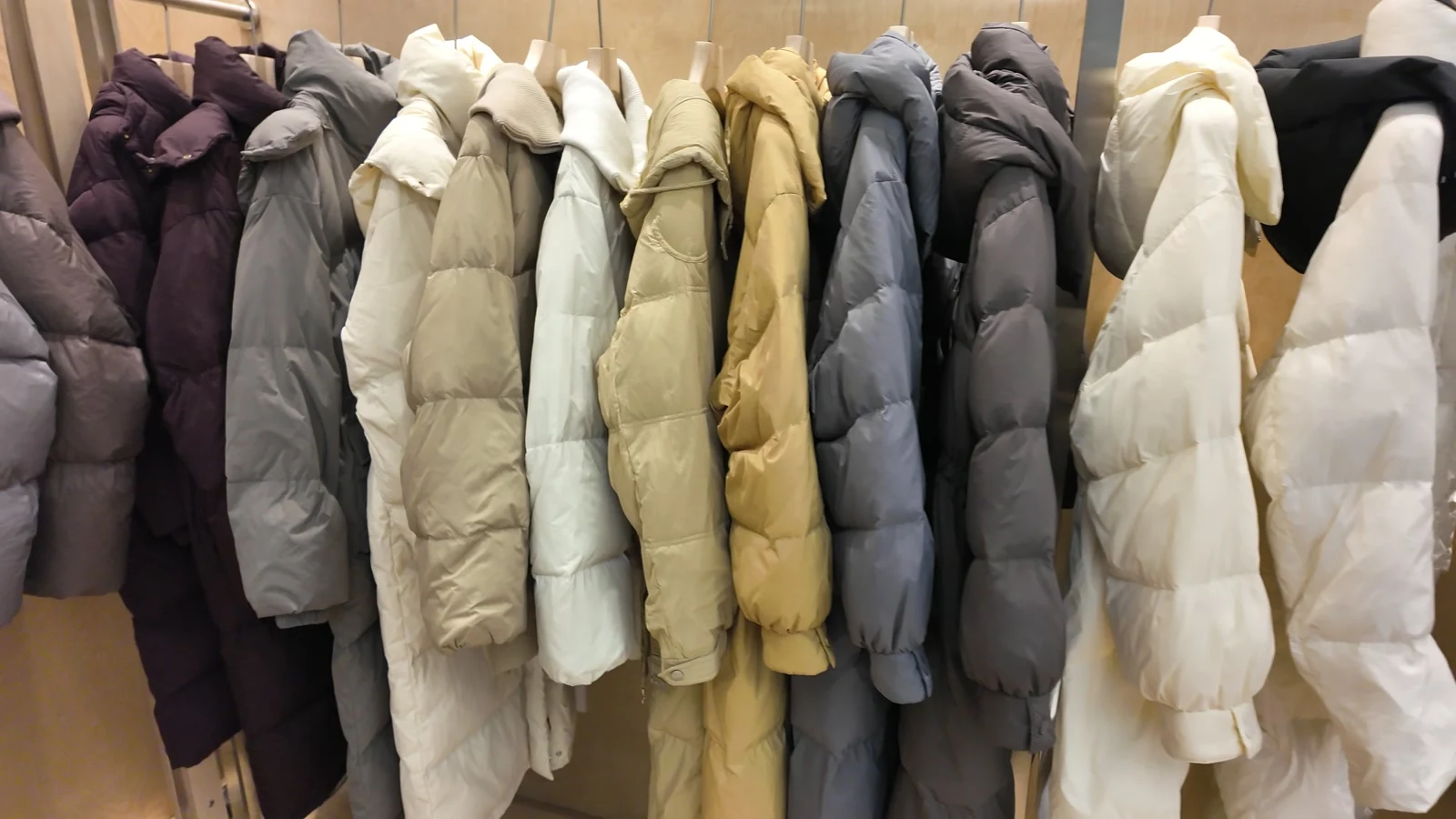
In Vera's account, a Russian customer ordered black jackets. During a mid-order confirmation, Tiger found that the factory was making dark coffee. Tiger coordinated with the factory, and the order was delivered on schedule. The customer later introduced two other business contacts.
The practical lesson is the value of checking an active order while there is still an opportunity to discuss a problem. For a buyer managing the purchase from another country, a timely discrepancy report creates a decision point: establish the affected goods, review the supplier's proposed solution and confirm the next step before proceeding.
For your order, connect the colour description with an agreed physical sample or reference and the relevant product version. If production information differs from that reference, record the issue, identify the affected quantity and obtain the buyer's decision. A casual comment about a photograph should not silently replace a formal product approval.
Control changes between sample and production
Keep one current specification with a visible version reference. When a fabric, trim, colour or measurement changes, record the change and who approved it. Retain earlier versions for the order history, but make it clear which one the factory should use.
The timing of checks should match the risk. A colour or fabric question is easier to address before the entire order is complete. A packing question needs attention before cartons are closed. Agree what evidence is required at each stage, rather than requesting a large set of photographs without a defined purpose.
Tiger's order coordination responsibilities connect supplier communication with the buyer's approvals. They do not remove the need for a clear product decision. The more specific the brief and approval record, the less room there is for a supplier to interpret a change differently.
Clearance stock: judge the saleable assortment
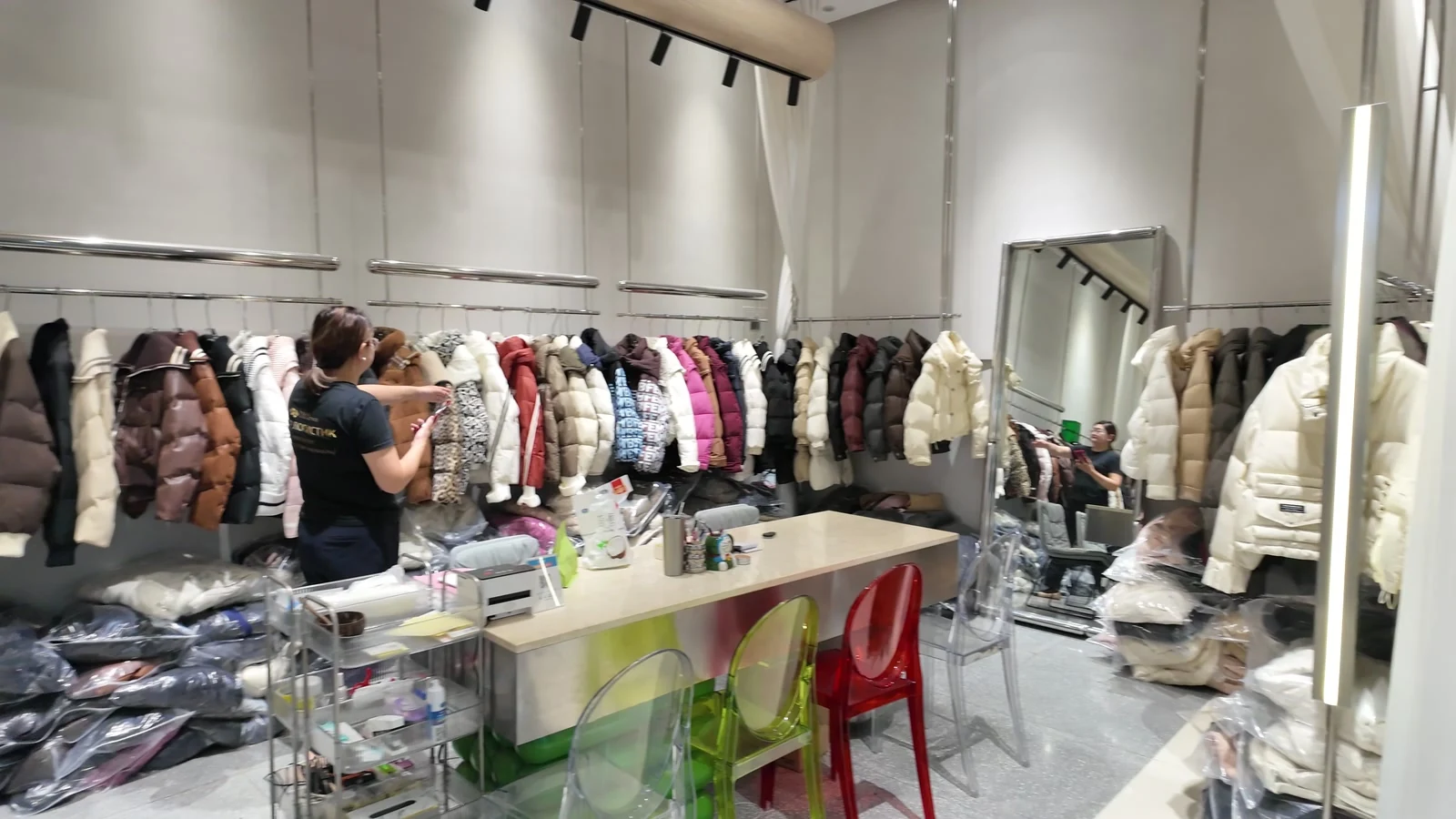
Vera describes opportunities to buy remaining outerwear stock after the Chinese New Year, alongside substantial uncertainty. Sizes may be incomplete, condition may vary and an attractive lot may sell while the buyer is still considering it. This can suit experienced stock buyers, but it requires a different assessment from ordering a new collection.
Ask for the actual style and size breakdown and clarify how the goods will be checked. Separate confirmed available quantities from estimates. If a seller proposes substitutions, decide whether they are acceptable before approving the lot. A photograph of a representative garment is not a complete inventory.
Compare the purchase against the number of pieces you expect to be able to sell in your own market. Include inspection, packing and transport in the decision. A low price per purchased piece can be misleading when the assortment contains sizes or conditions you cannot use. For a new single-store buyer, a controlled collection order may be easier to evaluate than a large mixed clearance lot.
Ask specifically about channel or regional protection
Some supplier relationships may include arrangements intended to protect a collection or a particular sales channel. Vera describes discussing reserved styles and the possibility of buying rights to an individual design. Her account does not include a completed purchase of an entire design, so this guide does not present one as a Tiger success case.
If exclusivity matters to your brand, define the design, territory, channel, period and parties involved. Ask what the supplier can actually agree to and how the arrangement will be documented. “You will not see it online” is too broad to substitute for a specific agreement.
Consider your business need before pursuing this route. A buyer may gain more from dependable replenishment and a consistent collection than from a loosely described exclusivity promise. The supplier discussion should establish what can be delivered and what evidence will support the agreement.
Use online sourcing and samples to narrow the order
A remote project can begin with reference images, the intended customer, an estimated quantity and the destination country. Tiger can coordinate a shortlist and the questions that make offers comparable. This gives smaller buyers a way to prepare an order without beginning with a long trip.
Tiger offers free samples, with sample shipping paid by the customer. Confirm the selected product and delivery arrangements with the team. Where a jacket requires custom changes, identify which version you are assessing and which features still need development. An existing sample is a useful starting point, but it should not be mistaken for approval of details that differ in your planned order.
Review the sample systematically. Measure the relevant dimensions, examine the visible construction and record the trims, colour and presentation. List technical questions that need supplier documents or testing separately. Your sample record then becomes the starting point for a production specification rather than a collection of impressions.
Discuss packing before approving the purchase
Outerwear can be light relative to its packed size. That makes packing important to the transport calculation, but reducing volume is not the only objective. Vera records a case in which strong compression damaged plastic zipper pulls and buttons. Tiger compensated the loss caused by its packing error and subsequently changed the approach.
For a purchasing brief, the useful action is to identify vulnerable trims, collars and presentation requirements before the supplier packs the goods. Make sure the warehouse receives those instructions with the order. Do not assume that a generic instruction to “compress as much as possible” protects every jacket design.
The transport team can assess packing within warehouse consolidation and shipment preparation. Keep the product approval, packing decision and final shipping instructions connected, while recognising that they are separate steps.
A practical comparison sheet for the final shortlist
Give each supplier one row per proposed jacket version. Record the sample reference, shell and lining, filling specification, size breakdown, colour, trims, packaging and planned readiness date. Keep price and quantity on that same row. This prevents a lower quotation for one version from being compared with a more complete specification supplied by another business.
Add a column for open questions and another for the person responsible for answering them. If the supplier has not confirmed the filling evidence or the availability of a particular trim, leave that issue open. A complete-looking spreadsheet is not useful when its entries are assumptions.
Before placing the order, read the selected row back against the approved sample and the supplier's written confirmation. Check that a revision made during negotiation has reached every relevant document. This final comparison is especially useful when several people have discussed the order over different messages: it gives the buyer, supplier and Tiger one current reference for the purchase.
Questions before a Pinghu jacket order
Should a first-time buyer choose clearance stock?
Only after understanding the size mix, condition, availability and total cost of the actual lot. The original experience highlights why cheap stock is not automatically suitable for a small shop. Compare it with a manageable new-collection order using your own sales needs.
Does a high down percentage guarantee a warmer jacket?
No single percentage settles the performance of the whole garment. Filling weight, loft, construction and other product features also need consideration. Request evidence appropriate to the specific claim rather than relying on a label alone.
Can I source jackets without visiting Pinghu?
Yes. Begin online with product references, quantity and destination. Supplier comparison and sample review can help you decide whether a visit would resolve anything that remains uncertain.
Are free samples shipped at Tiger's expense?
No. Tiger's sample offer provides the sample free, with shipping paid by the customer. Confirm the item and address before dispatch.
What should I send to begin?
Send the jacket reference or specification, estimated quantity and destination country. Add your intended selling season if known. You can discuss the order with Tiger or use the buying-guide hub to explore the wider sourcing process.
Experience and supporting sources
Working examples are based on Vera’s original Tiger field accounts. The purchasing and shipment checklists are practical guidance, rather than reports of additional completed customer orders.