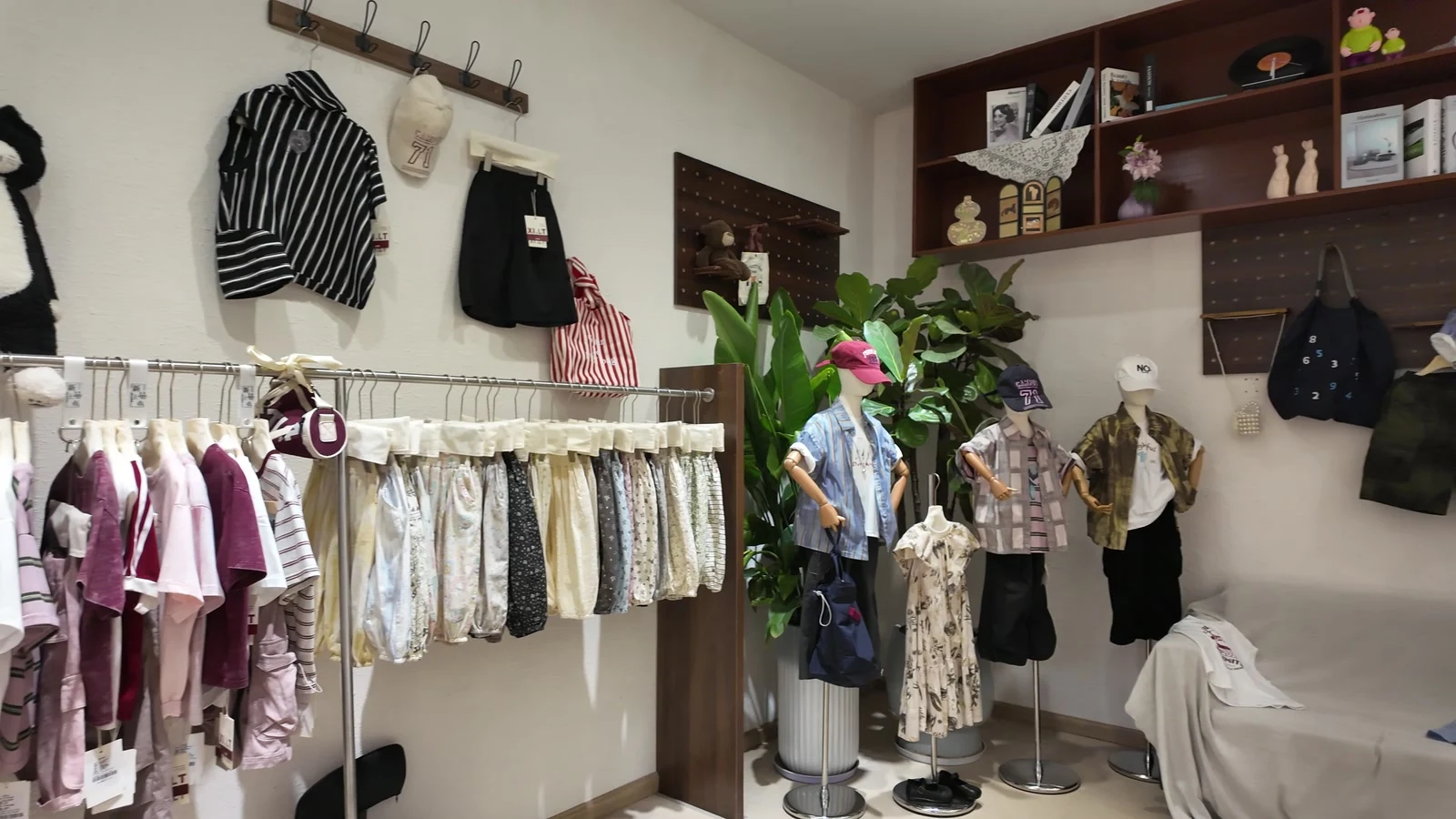
A small trial order and a reliable repeat order are different sourcing problems. In Zhili, a children's clothing retailer may want a few new styles for the coming season, while an online seller needs the same successful item again. A school or groupwear buyer may need an exact quantity in specified sizes. The supplier arrangement should follow that need.
Tiger's experience in Zhili includes seasonal purchasing, coordination of small trial orders and custom children's clothing. This guide draws on Vera's original accounts of Russian clients, including a trial purchase that initially met a refusal and custom orders whose finished quantities differed from the planned number. The lessons are adapted for international buyers; the cases retain their original background.
Decide whether you need variety, continuity or an exact delivery
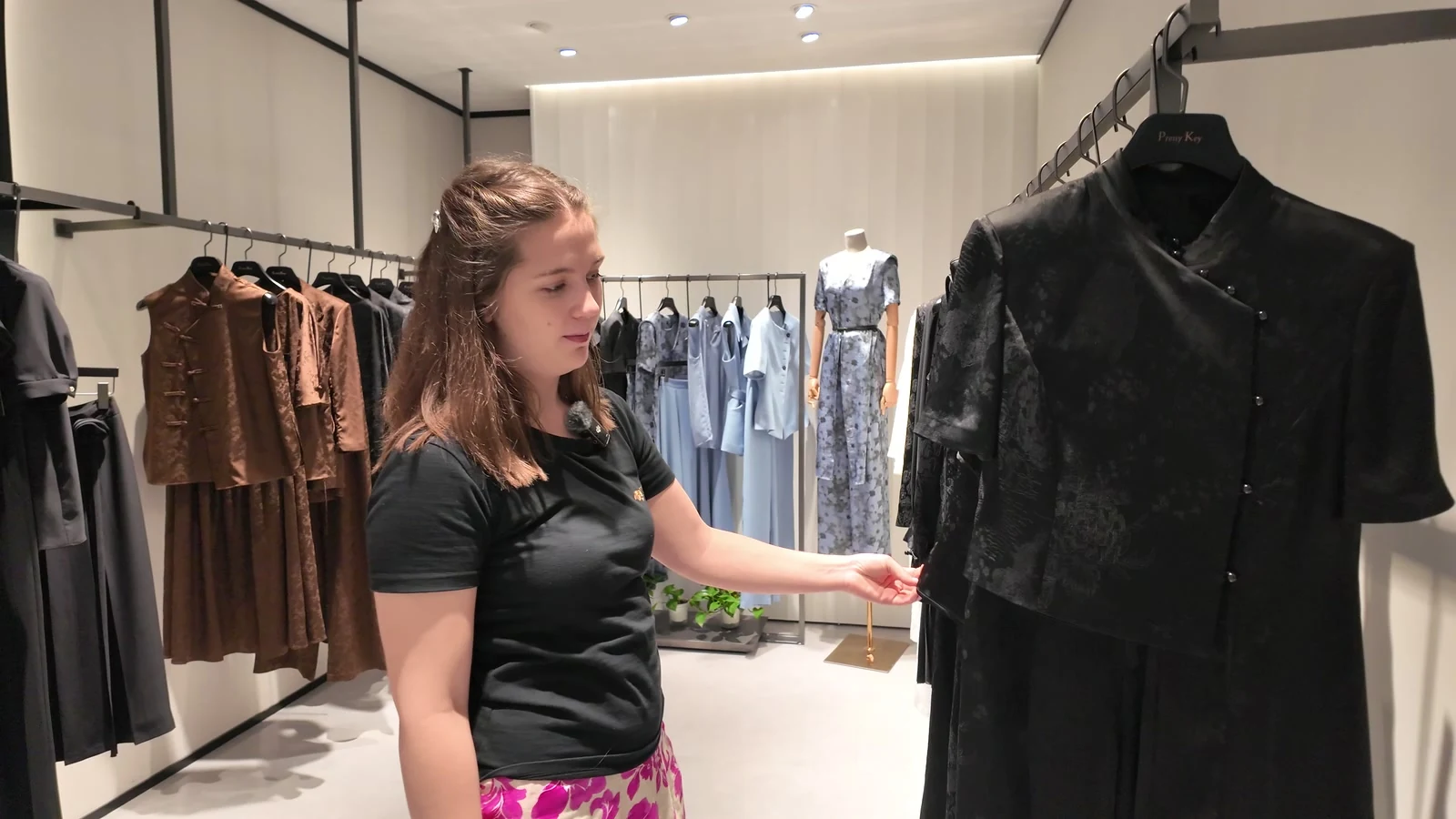
Vera describes learning the children's clothing business through a Russian retailer who already had substantial experience in the category. The customer knew what her own shoppers wanted and developed group-outfit orders alongside other clothing purchases. Tiger's role was to help connect those requirements with suppliers and follow the work in China.
The relationship illustrates a practical division of responsibilities. The buyer understands the intended customer, fit and selling season. The sourcing team translates that brief into supplier questions, coordinates samples and records the agreed order. A useful brief brings those two kinds of knowledge together.
| Buyer model | Main need | Supplier question |
|---|---|---|
| Seasonal retailer | A coordinated selection of new styles | Which designs and size runs are currently available? |
| Online seller | Consistent replenishment of a selling item | Can the fabric, pattern and construction be repeated? |
| Groupwear buyer | Agreed quantities and sizes by a real deadline | How will material allowance and final quantities be controlled? |
Start your sourcing enquiry by identifying which of these needs matters most. Otherwise a supplier may offer attractive available stock when your business actually needs a repeatable production arrangement.
The checked-shirt trial: why the existing relationship mattered
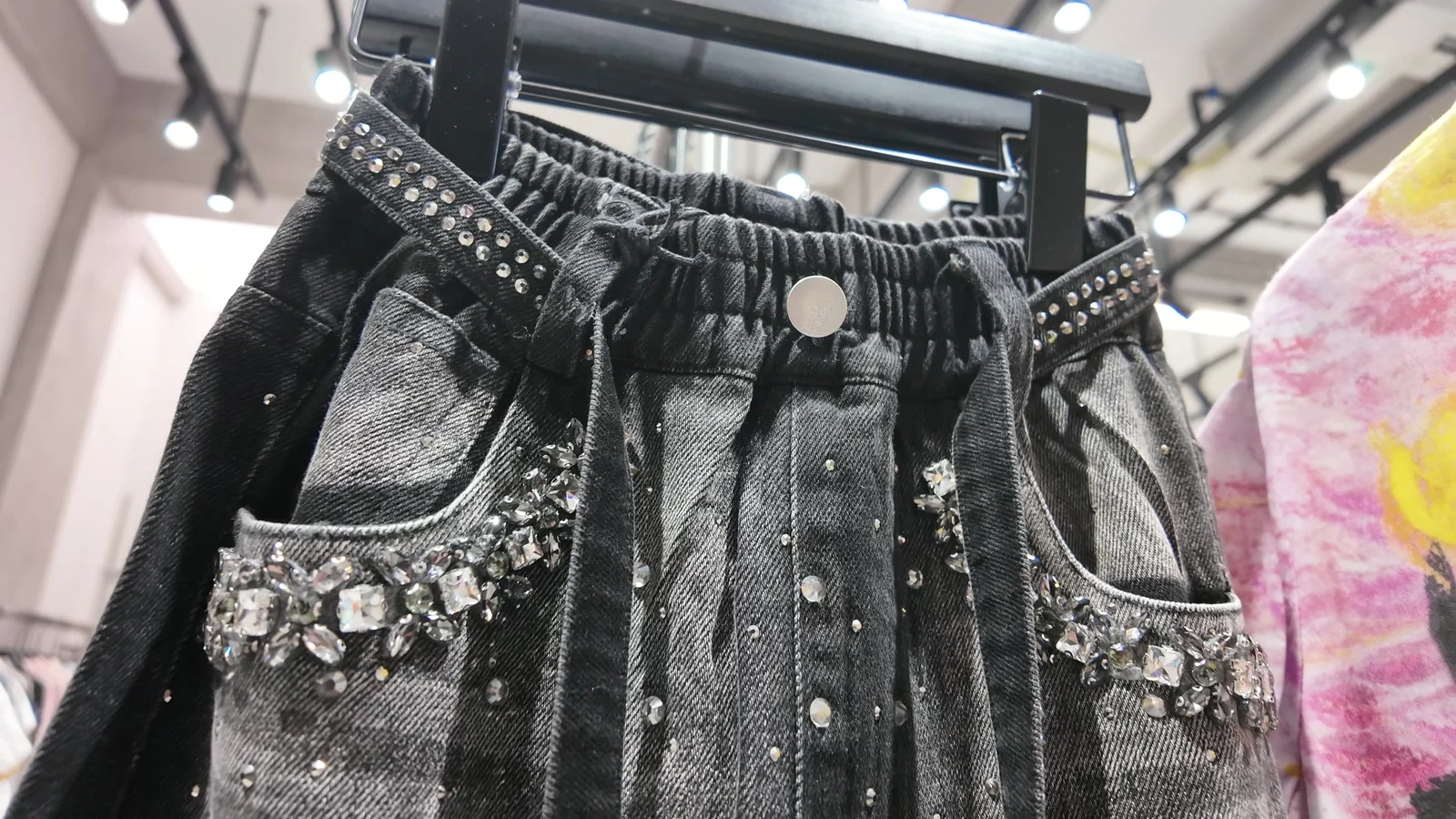
In one case, a new Russian customer wanted to test a checked shirt with a sparkling finish that other customers were selling successfully. She wanted one size run. The shop initially refused to sell such a small quantity. Tiger's children's clothing purchasing manager contacted the shop; once the supplier recognised the existing Tiger relationship, it agreed to the trial order.
The outcome was specific and useful: the customer could test the style without buying the originally requested larger quantity. It was not proof that every Zhili supplier has the same minimum order or that every new design is available in any quantity. The negotiation worked in the context of an established commercial relationship.
Tiger can arrange small trial purchases through suppliers it has worked with. Where a direct arrangement is not workable, Tiger can organise combined purchasing by several customers to seek access to the new style. The actual assortment, size runs, timing and supplier agreement still need to be recorded for the order.
Understand what one size run contains
A size run is a supplier's set of sizes for a particular style. It is not a universal number of garments. Before approving a trial, ask for the sizes included, the quantity of each size and the available colour combinations. If one size is unavailable, decide whether a partial run is useful for your own customers.
A small trial is easiest to evaluate when the original order is clear. Record the supplier's style reference, colour, sizes, units and price basis. Photograph the chosen version and retain the confirmation. The words “one set” or “one run” can otherwise mean different things to the buyer, purchasing contact and warehouse.
Also ask what can happen after the trial. A successful sale may justify another order, but it does not reserve stock or guarantee that a seasonal design will be produced again. If continuity is essential, discuss that requirement before choosing the item rather than treating replenishment as an automatic second step.
For online selling, test the ability to repeat the product
Vera's notes distinguish retailers who regularly introduce new styles from online sellers who need the same product to remain available. A seasonal supplier may move on after one collection. An online listing, however, may depend on the next shipment matching the photographs, size chart and customer expectations established by the first shipment.
Ask whether the same fabric can be obtained again, whether the pattern and size grading will be retained and how any trim or colour change will be approved. Keep a physical reference sample where practical. A supplier's model name alone may not capture all the features that made your first batch acceptable.
For a continuing product, the conversation may move from selecting stock to commissioning production. That changes the questions about quantities, material purchasing and timing. Use the industry and product context to identify the details that belong in the brief, then confirm them with the actual factory.
Why an order for 150 outfits can produce a different number
Vera records actual custom orders planned around 150 outfits whose completed quantities were closer to 120 or 180. The material was purchased in rolls, while the finished order was discussed in garments. Differences in usable roll length and production consumption affected the result. Shrinkage and pattern matching were among the issues described in the original account.
The commercial lesson is to connect fabric purchasing with the quantity the buyer needs. A rough estimate of several rolls is not the same thing as a commitment to deliver a specified number of completed outfits. The order should state whether quantity can vary, what happens to excess material and who approves any change in the final number.
If a group event requires exactly 150 outfits, the plan described by Vera is to budget additional fabric, make the required quantity and avoid turning every remaining piece of fabric into additional garments. The unused material cost is then included in the price of the agreed quantity. This is an order-planning method to discuss, not an assumption that every factory contract has identical terms.
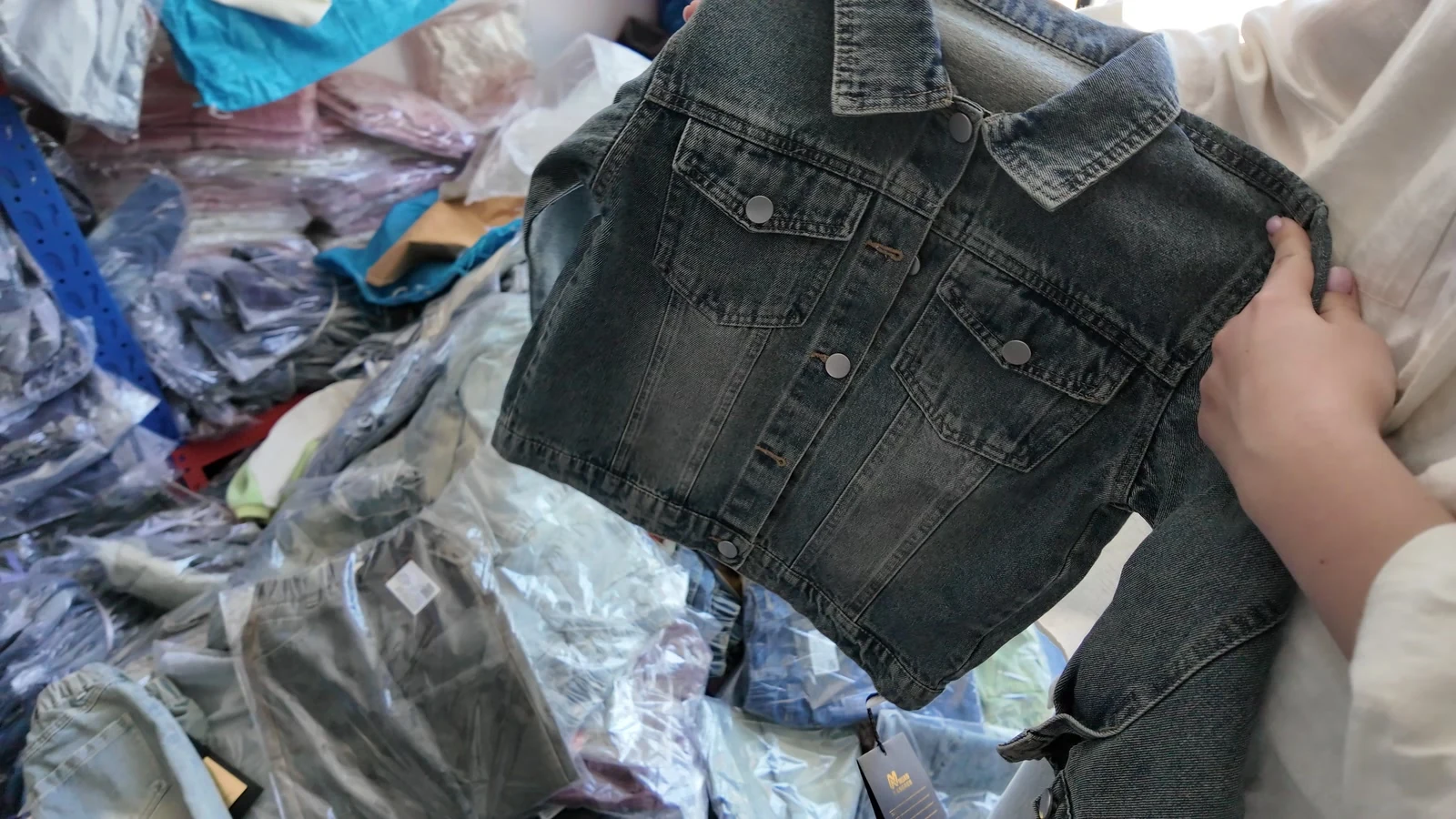
Write a custom brief that the factory can use
List the sizes and quantities separately, especially when the order serves a known group. Use actual measurement requirements rather than a broad label such as “European fit”. Vera's account refers to customers asking for particular sleeve and trouser lengths; those specifications should be written as dimensions for the intended wearer, not generalised to everyone in a region.
Identify the fabric, colour, construction, decoration and labelling requirements. If embroidery or another custom element is involved, record the artwork version, placement and approval. Establish which sample is the production reference and which earlier versions have been superseded.
Finally, distinguish the factory readiness date from the date the customer needs to receive the goods. Those are different milestones. A production plan that ends on the event date leaves no allowance for checking, packing or delivery. Agree the sequence with the supplier and Tiger before production begins.
Start remotely with free samples and a clear review
Tiger supports online purchasing for buyers who cannot visit Zhili or prefer to prepare before travelling. Send a product reference, expected quantity and country of sale. We can coordinate supplier questions and sample review, using the same order record that will support the later purchase.
Free samples are available through Tiger, with sample shipping paid by the customer. Confirm the selected item and shipping arrangements with the team. For a custom enquiry, explain which changes you need to assess. An existing sample can help assess construction or material, while the final customised version must be clearly identified before production approval.
Review the sample against a short list: appearance, measured dimensions, workmanship, fabric feel and the agreed details you can actually assess. Record questions that require a different kind of evidence. A visual review does not establish laboratory test results or every product requirement for a destination market. Keep those enquiries distinct from ordinary sample comments.
Compare suppliers using the complete order
Supplier comparison should include the agreed product, quantity, ability to replenish, production timing and treatment of changes. Two quotations are not equivalent if one includes a complete size run while the other covers selected sizes, or if one refers to stock and the other to custom production.
A useful comparison records the same fields for each supplier. Leave unanswered items visibly open rather than filling them with assumptions. For a small business, the most suitable offer may be the one that makes a manageable trial and a sensible repeat order possible, even if another headline price appears lower.
Tiger's purchasing and follow-up responsibilities help connect these conversations. The buyer still approves the product and commercial choice. Keeping that decision explicit prevents supplier recommendations, sample approval and payment instructions from being confused with one another.
Keep a mixed-supplier purchase traceable
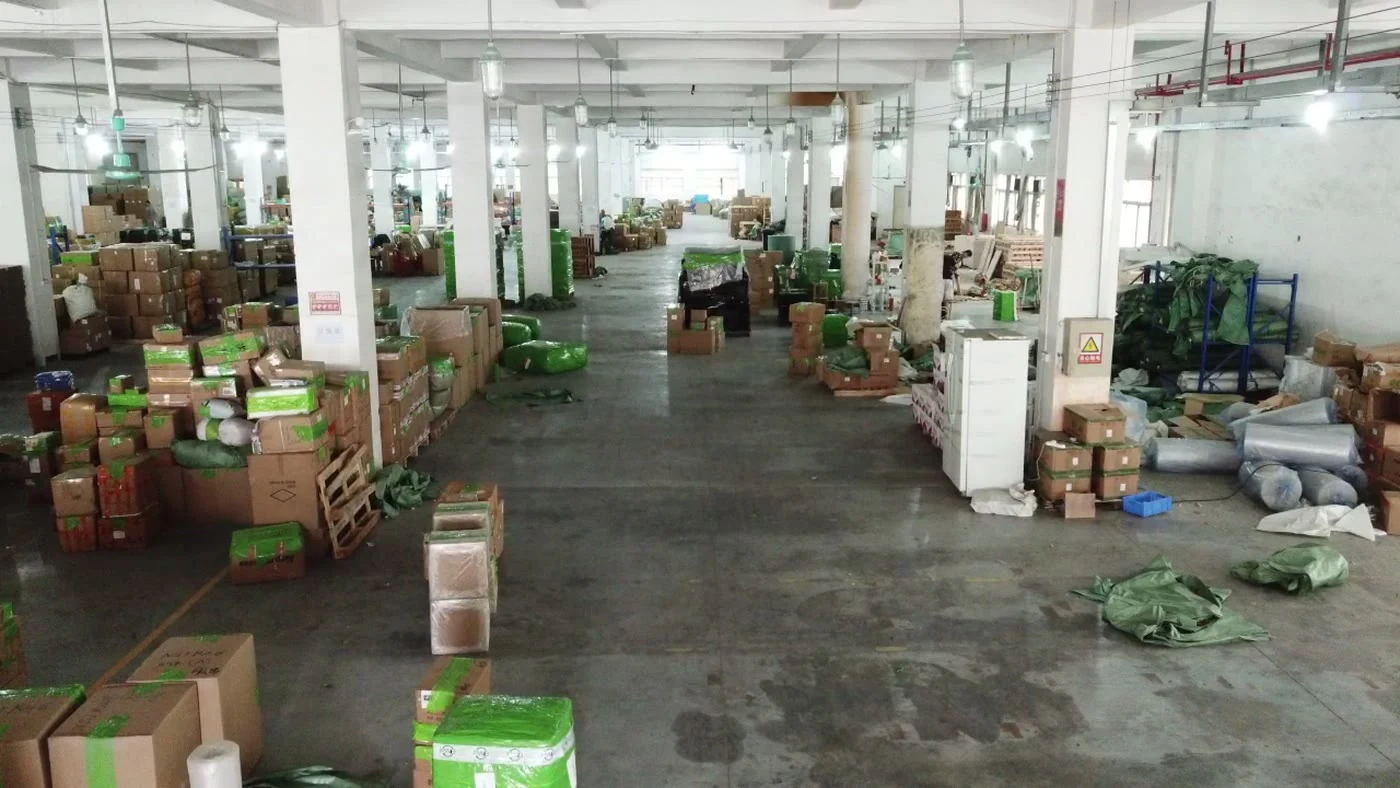
Vera describes customers ordering from several shops, each sending a different number of packages. Tiger can collect these purchases and bring them together at the Yiwu warehouse for checking, weighing and order reconciliation. The purchasing record is what allows the warehouse to recognise which goods belong to which customer and supplier.
Give every order a clear reference, including the supplier, style, size and quantity breakdown. When the supplier dispatches, connect its package count and tracking details with that reference. If a shop sends only part of an order, record what is still outstanding instead of marking the whole purchase complete.
The next step is multi-supplier warehouse consolidation. This is where separate purchases become an organised shipment. Checking and packing should follow the agreed scope; the fact that goods have reached the warehouse does not automatically resolve a product question.
Use the first order to improve the next one
After receiving a trial, compare the actual items with the sample and order record. Which sizes fit your customers? Which details need to change? Can the supplier repeat the version that worked? This feedback is more useful than a general message saying that the shipment was good or bad.
For a seasonal retailer, keep notes about how the supplier fits the store's overall style. For a continuing online product, track any change between batches. For groupwear, record whether the size breakdown and timing met the original requirement. Each buying model produces different evidence for the next order.
Our buying guides provide the broader purchasing context. When you are ready to discuss your own order, send the product or sample reference, quantity and destination country. Tiger works with international small and medium-sized buyers and custom enquiries, including customers in Europe and the Americas.
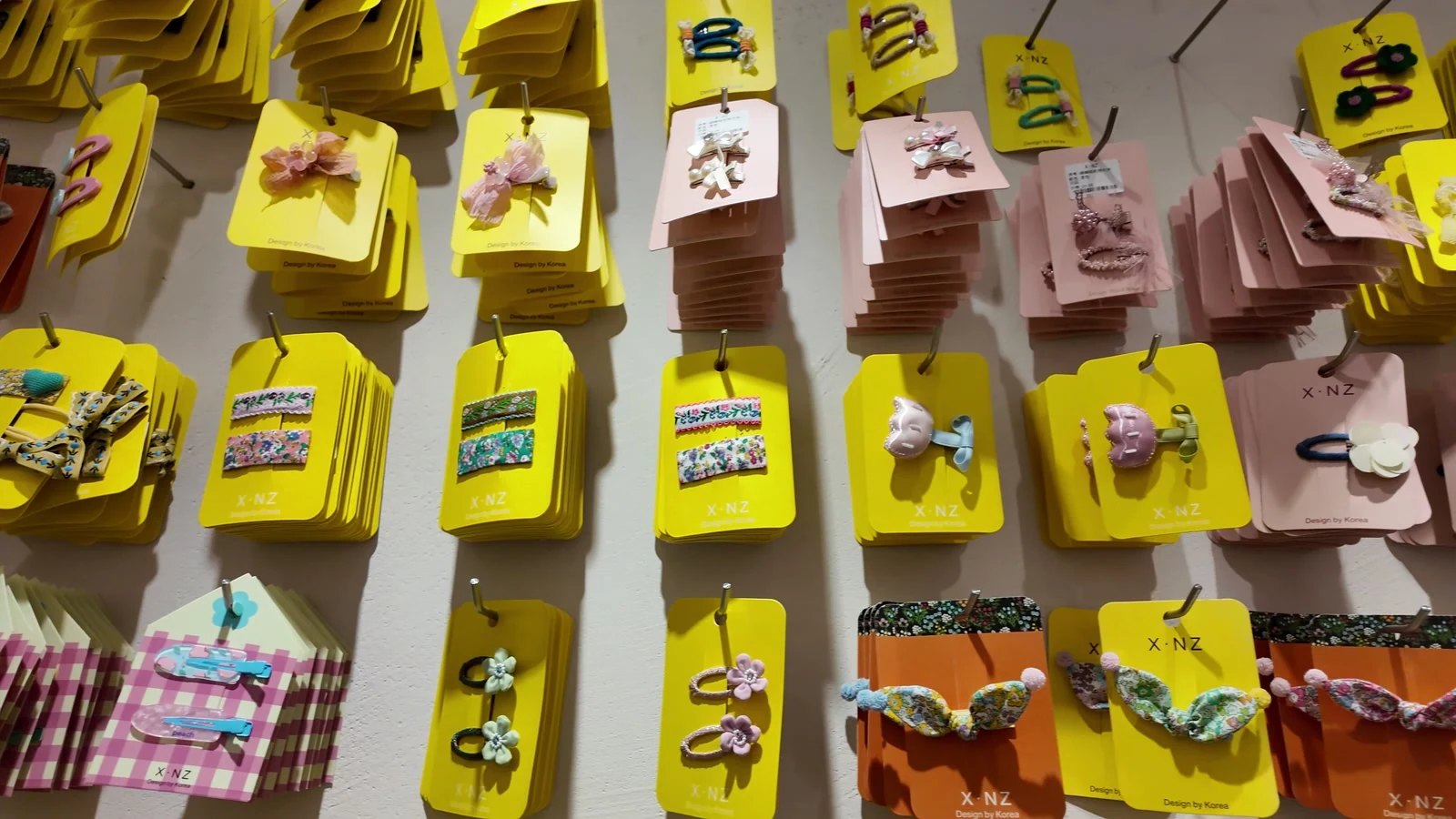
Questions about buying children's clothing in Zhili
Can I try a new style in a small quantity?
Tiger uses its existing supplier relationships to arrange small trial orders. Where needed, combined purchasing by several customers can be considered. Confirm the available sizes, colours and timing for the specific style; a successful case does not create a single minimum quantity for the whole market.
Can I order exactly 150 outfits?
State the exact requirement before the factory purchases material. Discuss sufficient fabric allowance and how unused fabric is costed, rather than assuming that every piece of purchased fabric must become an extra garment. Put the agreed quantity and treatment of variations in writing.
Will a successful trial always be available again?
No. Check whether the style is seasonal stock or a repeatable production item. For repeat orders, identify the pattern, material and construction requirements that need to remain consistent.
Are sample shipping costs included?
No. Tiger offers free samples, and the customer pays shipping. Confirm the chosen sample and delivery details before dispatch.
Do the Russian examples include payment terms for my country?
No. These examples explain real purchasing situations. Payment, credit and delivery arrangements for your order are discussed separately and are not inferred from the terms of an established Russian customer.
Experience and supporting sources
Working examples are based on Vera’s original Tiger field accounts. The purchasing and shipment checklists are practical guidance, rather than reports of additional completed customer orders.